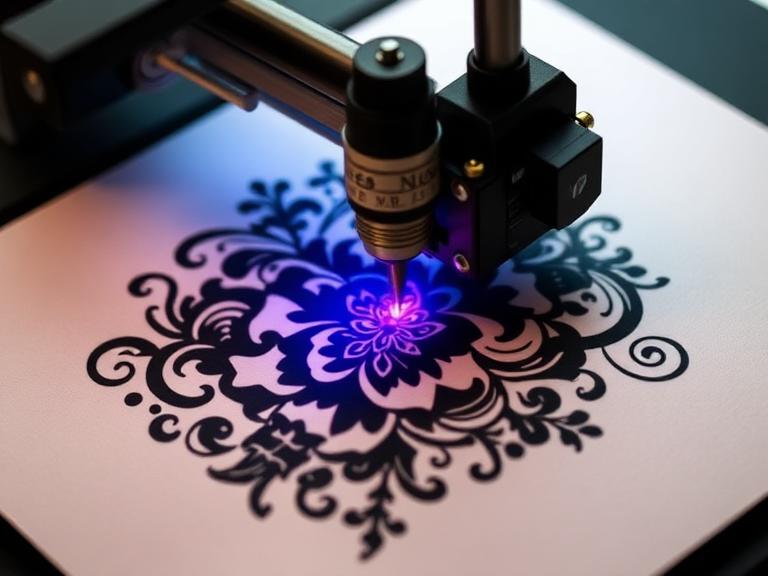
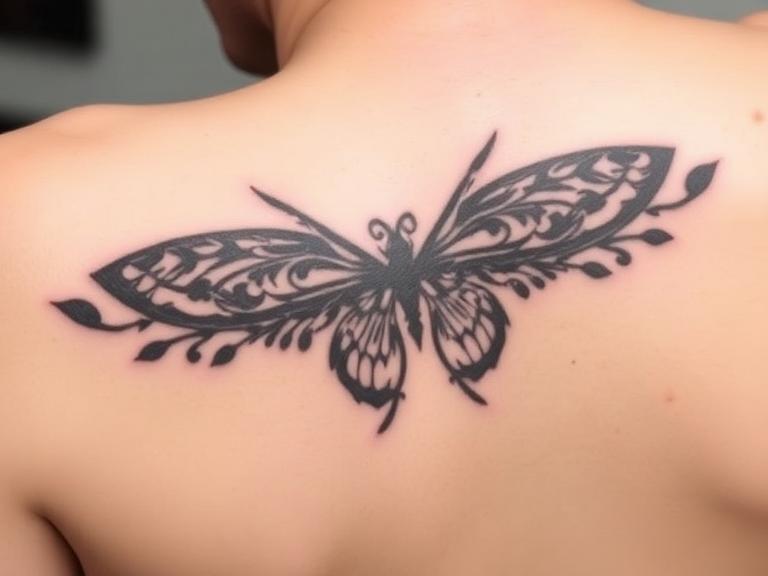
A flawless tattoo begins long before the needle ever touches the skin. It starts with a crisp, accurate, and highly durable stencil. From our experience at INKSOUL, even the most technically gifted and seasoned tattoo artists can encounter significant professional setbacks if their foundational stencil is compromised. Mastering the application process is absolutely essential for long-term success in the industry, which is precisely why understanding, identifying, and rectifying common tattoo stencil mistakes must remain a top priority for both apprentices and veteran practitioners alike.

When a stencil degrades, smudges, or completely wipes away prematurely during a session, it severely compromises the final artwork. This leads to unnecessary stress for the artist, potential dissatisfaction for the client, and an increased risk of asymmetrical or disproportionate line work. In this comprehensive, authoritative guide, we will systematically explore the top 10 common tattoo stencil mistakes. Furthermore, we will provide actionable, expert-level solutions and protocols to ensure your outlines remain sharp, vivid, and firmly locked onto the skin from the very first line to the final cleansing wipe.
Table of Contents
- Summary Table: Quick Reference Guide
- 1. Inadequate Skin Preparation Prior to Application
- 2. Applying Excessive Stencil Solution
- 3. Failing to Allow the Stencil to Dry Completely
- 4. Poor Placement and Ignoring Body Mechanics
- 5. Using Subpar or Expired Transfer Paper
- 6. Incorrect Wiping Techniques During the Session
- 7. Utilizing Inferior Transfer Printing Equipment
- 8. Shifting the Paper During the Application Process
- 9. Neglecting the Alignment Check with the Client
- 10. Lacking a Proper Stencil Lock or Sealant Strategy
- Frequently Asked Questions
- Industry References
Summary Table: Quick Reference Guide
To provide an immediate overview, we have compiled a summary table detailing the most frequent common tattoo stencil mistakes alongside their professional corrective measures.
| Common Tattoo Stencil Mistakes | Consequence | Expert Solution |
|---|---|---|
| Inadequate skin prep | Stencil rejects or peels off rapidly. | Shave meticulously and utilize high-grade alcohol to strip surface oils. |
| Excessive stencil gel | Lines bleed, blur, and spread outward. | Apply a micro-thin, translucent layer and wait until it becomes tacky. |
| Not allowing proper drying time | Stencil wipes away upon the first pass. | Wait a minimum of 10 to 15 minutes before initiating the tattoo process. |
| Inferior printing equipment | Faded, inconsistent, or missing lines. | Upgrade to high-resolution, reliable hardware like the INKSOUL T08FD. |
| Ignoring body mechanics | Design warps when the client moves. | Always place the stencil while the client is in a relaxed, neutral standing position. |
1. Inadequate Skin Preparation Prior to Application
One of the most foundational common tattoo stencil mistakes occurs before the transfer paper even touches the body. The human skin is naturally coated in a microscopic layer of sebum (oil), dead skin cells, and fine vellus hairs. If these physical barriers are not entirely removed, the stencil dye will adhere to the oils and dead skin rather than the epidermis itself, resulting in rapid degradation.
From our experience, simply wiping the area with a dry paper towel is entirely insufficient. We recommend a rigorous preparation protocol. First, shave the area thoroughly using a disposable razor, extending at least two inches beyond the planned perimeter of the tattoo. Even if the skin appears hairless, shaving exfoliates the top layer of dead skin cells. Following the shave, scrub the area vigorously with a high-percentage isopropyl alcohol solution or a dedicated surgical skin prep cleanser. This completely strips the lipid barrier, creating an optimal, sterile canvas for the transfer dyes to bond chemically with the skin.
2. Applying Excessive Stencil Solution
There is a prevalent misconception among junior artists that applying more stencil application gel will result in a darker, more durable transfer. In reality, this is one of the most detrimental common tattoo stencil mistakes you can make. When a heavy, wet layer of application fluid is left on the skin, the transfer dye from the paper melts uncontrollably. Instead of crisp, defined lines, you are left with a blurred, bleeding, purple mass that makes intricate details impossible to discern.
We recommend dispensing a dime-sized amount of stencil solution and rubbing it vigorously into the prepped skin until only a micro-thin, translucent sheen remains. The skin should feel slightly tacky to the touch, similar to the adhesive backing of a sticky note, rather than wet or slippery. This precise level of moisture activates the dye exactly where the lines contact the skin, preventing any lateral bleeding.
3. Failing to Allow the Stencil to Dry Completely
Patience is a professional virtue in the tattoo industry. Once the stencil has been successfully transferred onto the skin, many artists rush to begin the linework to save time. Failing to let the transfer cure is one of the most frustrating common tattoo stencil mistakes, as it guarantees the stencil will wipe away during your very first pass with a green soap solution.
From our experience, the stencil dye requires time to fully evaporate its liquid carrier and bind to the skin's top layer. We recommend enforcing a strict waiting period of 10 to 15 minutes after peeling the paper away. During this time, the client can review the placement in the mirror, and you can finalize your needle and ink setup. If you are operating in a humid environment, utilizing a clean, handheld fan to gently blow cool air over the area can safely expedite the drying process.
4. Poor Placement and Ignoring Body Mechanics
The human body is a dynamic, three-dimensional canvas. One of the most visually disastrous common tattoo stencil mistakes is placing a design while the client is contorted, twisted, or lying down. When the client eventually stands up or relaxes their muscles, the skin shifts dramatically, causing the once-perfect stencil to warp, stretch, or lean off-center.
We recommend always applying stencils while the client is in a neutral, anatomically natural position. For back pieces, arm sleeves, or thigh tattoos, the client should be standing with their weight evenly distributed. Pay close attention to the natural flow of the musculature. A design should complement the body's natural contours rather than fighting against them. Taking the time to map the anatomy visually before applying the solution prevents the costly and time-consuming process of having to wipe off and reapply the stencil.
5. Using Subpar or Expired Transfer Paper
Not all transfer papers are manufactured to the same standard. Procuring cheap, counterfeit, or expired transfer paper is a false economy and ranks high among common tattoo stencil mistakes. High-quality spirit paper utilizes specific thermal reactive dyes that melt at precise temperatures. Expired paper, or paper that has been stored in highly humid or hot environments, will often have a degraded carbon layer, resulting in patchy, broken transfers that force the artist to "guess" where the lines should be.
We highly recommend sourcing authentic, reputable transfer paper designed specifically for thermal copiers. Store your paper in a cool, dry, and dark environment. If you notice that your lines are consistently dropping out despite perfect skin prep and application technique, the integrity of your transfer paper is likely the culprit.
6. Incorrect Wiping Techniques During the Session
Even a perfectly cured stencil can be destroyed by improper wiping mechanics during the tattoo process. Aggressively scrubbing the skin with a rough paper towel soaked in green soap is one of the most abrasive common tattoo stencil mistakes. The friction, combined with the solvent properties of the soap, will erase your hard work in minutes.
From our experience, adopting a "dab and press" methodology is crucial. When clearing excess ink or plasma, gently press a soft paper towel against the skin to absorb the fluids, rather than dragging it across the surface. Additionally, applying a thin layer of professional tattoo glide or petroleum jelly over the stencil before wiping creates a hydrophobic barrier. This barrier repels the green soap, allowing you to wipe away the excess ink while simultaneously protecting the delicate purple transfer lines underneath.
7. Utilizing Inferior Transfer Printing Equipment
A flawless application process means nothing if the initial print is distorted. Relying on outdated, inconsistent thermal copiers that produce faded, broken, or misaligned lines is one of the most prevalent common tattoo stencil mistakes in modern studios. Hand-tracing complex geometric patterns or highly detailed portraits is incredibly time-consuming and introduces a massive margin for human error.

We recommend upgrading to modern, reliable, and precision-engineered technology. For instance, integrating the INKSOUL® T08FD tattoo transfer printer touch screen into your daily workflow completely eradicates equipment-based errors. This advanced unit features a highly responsive 2-inch touchscreen for seamless, intuitive operation. It delivers a rapid printing speed of 10-15mm/s, ensuring that high-fidelity stencil generation happens in seconds, not minutes.
Furthermore, the INKSOUL® T08FD is powered by a robust 1200mAh battery, providing exceptional wireless portability for busy conventions or guest artist spots. With a maximum print width accommodating 210-216mm, it is fully compatible with standard tattoo transfer paper formats. Despite its heavy-duty performance capabilities, it maintains an incredibly sleek and ergonomic profile, with dimensions of just 325x67x40mm and a total weight of 745g. Investing in top-tier, reliable hardware from INKSOUL eliminates structural flaws at the very source of the process.
8. Shifting the Paper During the Application Process
When applying the physical paper to the skin, hesitation or a lack of commitment will ruin the design. One of the most frustrating common tattoo stencil mistakes is allowing the transfer paper to shift, slide, or double-tap the skin. This instantly creates a "ghosting" or double-line effect, making it incredibly difficult to determine which line is the correct one to follow with your needle.
To avoid this, we recommend adopting a confident, rolling application technique. Anchor one edge or corner of the stencil paper firmly against the skin, and smoothly roll the rest of the paper down in one fluid motion, pressing gently from the center outward to eliminate air bubbles. Once the paper has made contact with the application gel, do not attempt to slide it. If the placement is incorrect, you must fully remove the paper, wipe the skin with alcohol to remove the dye, and start the process over with a fresh print.
9. Neglecting the Alignment Check with the Client
Communication breakdowns lead to permanent regrets. Failing to thoroughly check the placement, size, and orientation of the stencil with the client before opening your needle blisters is a severe professional oversight, and easily one of the most preventable common tattoo stencil mistakes.
From our experience, clients may feel intimidated and hesitate to speak up if they are unhappy with the placement. It is your responsibility as the professional to facilitate this check. We recommend having the client view the stencil in a full-length mirror from multiple angles. Ask specific, direct questions such as, "How do you feel about the height of the design?" or "Does this angle align with your vision?" Never proceed until you have explicit, confident verbal approval from the client regarding the stencil placement.
10. Lacking a Proper Stencil Lock or Sealant Strategy
For large-scale projects, such as full back pieces or intricate sleeves that require multi-hour sessions, relying solely on standard application gel is often insufficient. One of the final common tattoo stencil mistakes is failing to utilize modern stencil sealants for endurance sessions. As the skin endures trauma, secretes plasma, and is repeatedly wiped, even a well-cured stencil will eventually begin to fade.
We recommend integrating a professional stencil locking spray into your prep routine. These specialized aerosol or pump-spray formulas act as a liquid bandage, casting a micro-polymer barrier over the dried stencil. This locks the dye into the epidermis, making it highly resistant to friction, green soap, and bodily fluids. By utilizing a sealant, artists can comfortably navigate an eight-hour session without the anxiety of losing their critical reference lines.
Frequently Asked Questions
Why does my tattoo stencil wipe away so easily?
If your stencil is wiping away easily, it is highly likely that you are committing one of the primary common tattoo stencil mistakes: inadequate drying time or improper skin preparation. Ensure that you are fully stripping the skin of oils using high-grade alcohol, applying only a translucent layer of stencil gel, and allowing the transfer to dry for a minimum of 10 to 15 minutes before you begin wiping with soap.
How can I prevent my stencil lines from bleeding and spreading?
Bleeding lines are caused by excess moisture. This occurs when too much stencil application solution is left on the skin. To prevent this, massage the solution into the skin until it feels tacky, not wet. Additionally, utilizing precise, high-quality printing equipment ensures that the carbon is distributed evenly on the paper, preventing ink blowouts during the transfer.
What is the best way to remove a misplaced tattoo stencil?
If you commit one of the common tattoo stencil mistakes regarding placement, you must act quickly. Utilize a generous amount of 70% to 90% isopropyl alcohol or a dedicated commercial stencil remover spray. Wipe the area firmly with a paper towel. Hand sanitizer can also work in a pinch. Be sure to let the skin rest and dry completely before attempting to apply a new stencil, as lingering alcohol will degrade the new transfer.
Industry References
- Journal of Dermatological Science (2023). "Chemical Adhesion of Thermal Carbon Dyes to the Human Epidermis: Best Practices for Tattoo Artists."
- The International Coalition of Tattoo Professionals (2024). "Standardizing Operational Procedures: Avoiding Common Tattoo Stencil Mistakes in High-Volume Studios."
- INKSOUL Hardware Development Team (2025). "Advancements in Thermal Printing Technology: The Mechanics Behind the INKSOUL T08FD Tattoo Transfer Printer."