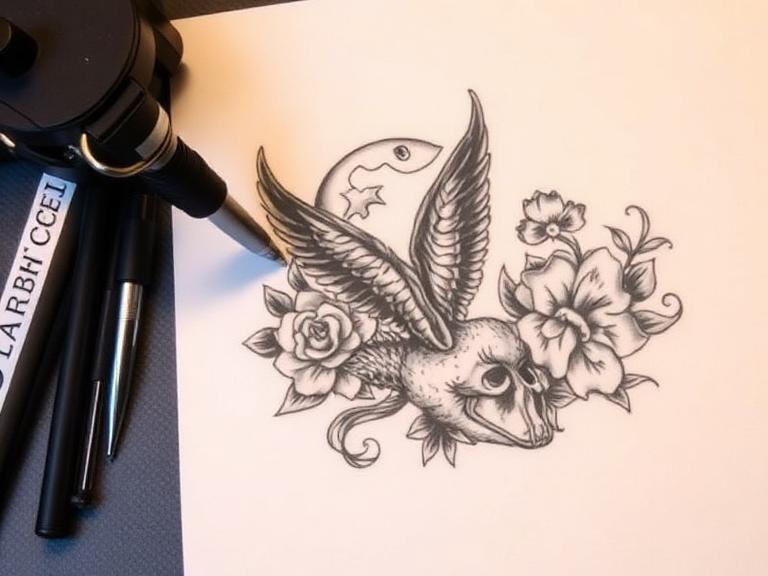
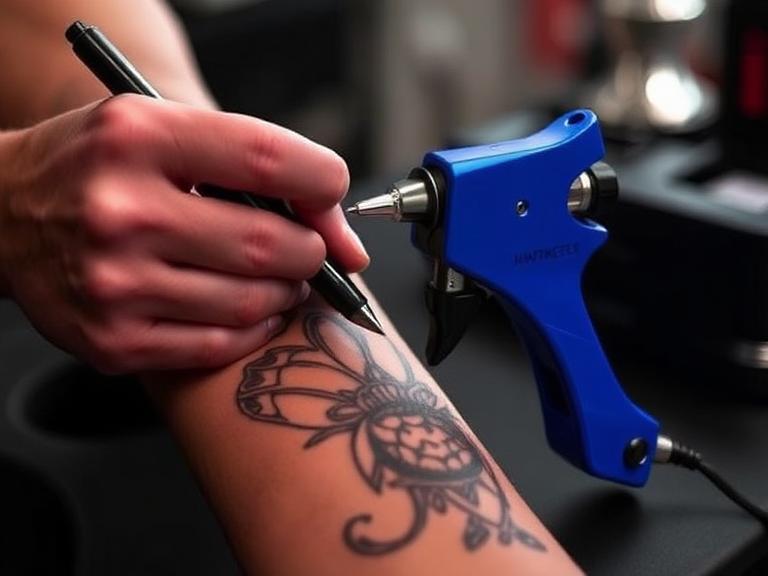
The tattoo industry is experiencing a profound technological renaissance. For decades, artists were tethered to their workstations by heavy clip cords and RCA cables, navigating the physical limitations of external power supplies and foot pedals. Today, the landscape has shifted dramatically toward complete mobility. At INKSOUL, we consult daily with both emerging apprentices and seasoned veterans who are contemplating upgrading their equipment. The most frequent question we receive is: Is it worth buying a wireless tattoo machine?

From our experience in developing industry-leading tattoo technology and peripherals, the transition to a wireless setup is not merely a passing trend; it is a fundamental upgrade to an artist's workflow, ergonomics, and hygiene protocols. However, making the switch requires a thorough understanding of battery technology, machine weight distribution, and how a wireless machine integrates into a broader wireless ecosystem.
In this authoritative article, we will dissect the advantages and potential drawbacks of untethered tattooing. We will explore how modern lithium-ion batteries have revolutionized motor consistency, and we will provide a comprehensive analysis to help you definitively answer the question: Is it worth buying a wireless tattoo machine for your specific artistic style and studio setup?
Table of Contents
- 1. The Evolution of Tattoo Technology
- 2. Summary Table: Wired vs. Wireless Tattoo Setup
- 3. Core Advantages of Going Wireless
- 4. Building a Complete Wireless Ecosystem with INKSOUL
- 5. Potential Drawbacks and How to Mitigate Them
- 6. The Final Verdict: Is it worth buying a wireless tattoo machine?
- 7. Frequently Asked Questions (FAQs)
- 8. Industry References
1. The Evolution of Tattoo Technology
To understand why so many artists are asking, Is it worth buying a wireless tattoo machine, we must look at the history of the craft. Traditional coil machines, while revered for their punch and customizability, are notoriously heavy and require a constant, tethered power source. The introduction of rotary machines mitigated the weight issue and reduced the aggressive vibration that causes long-term hand fatigue and carpal tunnel syndrome.
However, even the most advanced rotary pen machines still relied on RCA cables. These cables drag across the client, knock over ink caps, and create a constant backward pull on the artist's wrist. The advent of the wireless tattoo machine integrated the power supply directly into the chassis of the rotary pen. By utilizing advanced, high-density lithium-ion batteries, manufacturers have managed to condense a full day's worth of power into a compact, lightweight cylinder.
2. Summary Table: Wired vs. Wireless Tattoo Setup
When determining Is it worth buying a wireless tattoo machine, a direct comparison of operational metrics is essential. We recommend reviewing this summary table to see how wireless technology stacks up against traditional wired configurations.
| Feature / Metric | Traditional Wired Machine | Modern Wireless Tattoo Machine |
|---|---|---|
| Mobility & Freedom | Restricted by RCA/Clip cord length | 100% unrestricted; full 360-degree rotation |
| Setup & Tear Down Time | Slow (Requires bagging machine, cord, and power supply) | Fast (Requires bagging only the machine) |
| Ergonomics & Wrist Strain | High (Cable drag causes constant rearward tension) | Low (Perfectly balanced center of gravity) |
| Cross-Contamination Risk | Moderate to High (Cables frequently touch unsterile surfaces) | Low (No trailing cables to manage during the procedure) |
| Power Consistency | Reliant on wall power and cable integrity | Consistent output until battery depletion |
| Travel & Conventions | Cumbersome (Multiple components to pack) | Highly portable (All-in-one unit) |
3. Core Advantages of Going Wireless
When artists ask us, Is it worth buying a wireless tattoo machine, we point to two transformative benefits: physical health and absolute sterility.
Unrestricted Movement and Ergonomics
The human hand was not designed to hold a vibrating, weighted object while simultaneously fighting the drag of a rubberized cable for eight hours a day. The micro-tension caused by an RCA cord pulling against your wrist leads to severe repetitive strain injuries over a decades-long career. A wireless machine eliminates this completely. Because the battery is mounted directly on top of the motor, the center of gravity is shifted directly into the webbing of the artist's hand. This perfect balance allows for incredibly precise line work, effortless whip shading, and reduced grip fatigue. From our experience, the ergonomic relief alone makes the answer to "Is it worth buying a wireless tattoo machine" a resounding yes.
Hygiene and Cross-Contamination Control
Maintaining a sterile field is the most critical aspect of tattooing. In a traditional setup, the clip cord is the weakest link in your cross-contamination protocol. Even when sleeved in plastic, the cord drags across the client's body, the floor, and the workstation. A wireless tattoo machine removes the cord from the equation entirely. Bagging a wireless pen is a single, streamlined process. You simply drop the machine into a barrier bag, tape the grip, and you are ready to work. This significantly reduces setup time and provides peace of mind for both the artist and the client.
4. Building a Complete Wireless Ecosystem with INKSOUL
To truly answer the question, Is it worth buying a wireless tattoo machine, you must look beyond the machine itself. The ultimate goal of going wireless is to create a seamless, untethered workstation. A wireless machine loses much of its appeal if you are still fighting with cables, ink cartridges, and clunky peripheral devices to get your stencil ready.
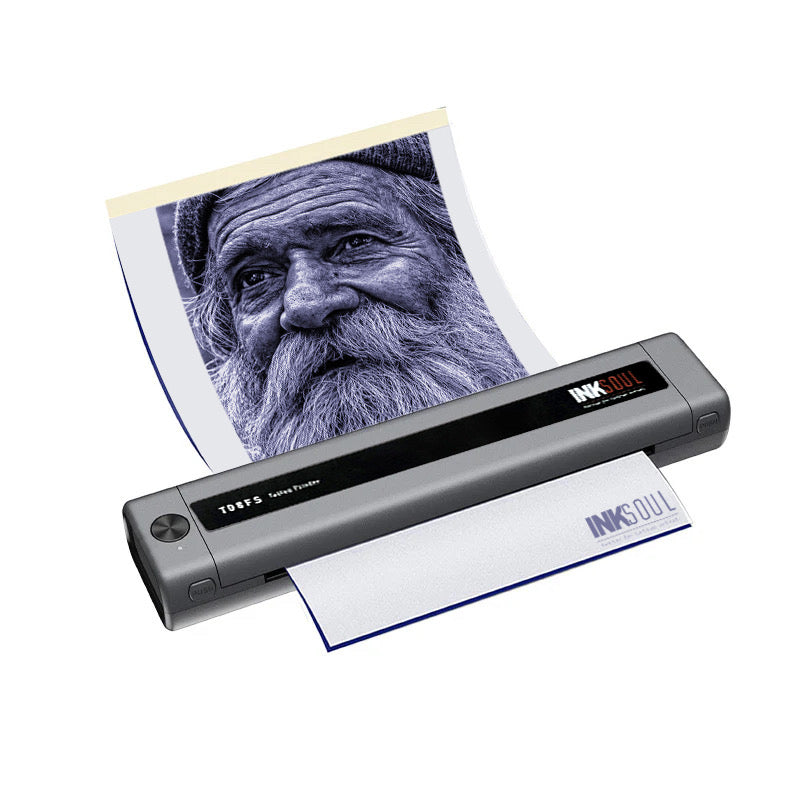
We highly recommend pairing your wireless tattoo machine with a completely untethered stencil preparation system. This is where the INKSOUL® T08FS Wireless Tattoo Transfer Stencil Printer becomes an indispensable asset in your modern studio. If you are investing in a wireless machine for mobility, your stencil printer should offer the exact same freedom.
The INKSOUL T08FS is a revolutionary thermal printer that completely eliminates the need for messy ink cartridges and ribbons. Utilizing the most economical thermal technology, you simply refill it with A4 thermal paper. What truly sets this printer apart is its ability to print intricate shadows and precise line images across multiple sizes (A4: 8.3in x 11.7in; LTR: 8.8 x 11in; Legal: 8.5in x 14in; LTR+: 8.5in x 16.5in). With a high resolution of 203 dpi and a maximum printing speed of 13-15 mm/s, it captures the most delicate whip shading and stippling details required for realism and fine-line tattooing.
Furthermore, it perfectly complements a wireless lifestyle. The INKSOUL T08FS features a built-in 1200mAh battery and wide compatibility. It supports a direct Bluetooth connection for your mobile phone or tablet, allowing you to design on your iPad via Procreate and beam the stencil directly to the printer without a single cable. (Note: PC use requires a USB cable connection). Weighing only 0.75 kilograms and measuring a compact 310X68X41 mm, it is the ultimate companion for traveling artists and convention work. When you combine a wireless tattoo machine with the INKSOUL T08FS wireless printer, you achieve a level of studio efficiency that justifies every penny of your investment.
5. Potential Drawbacks and How to Mitigate Them
To provide a balanced perspective on Is it worth buying a wireless tattoo machine, we must address the common concerns artists have before making the transition.
Battery Life Anxiety: The most prevalent fear is having a machine die mid-tattoo. However, modern wireless machines utilize advanced power management systems. Most high-end wireless pens offer between 6 to 10 hours of runtime on a single charge, depending on the voltage and needle grouping used. We recommend mitigating this issue by purchasing a machine that features interchangeable battery packs. By keeping a secondary battery on a charging dock, you guarantee infinite runtime, completely neutralizing battery anxiety.
Weight and Girth: Because the battery is integrated into the machine, wireless pens are generally thicker and slightly heavier than standard wired rotary machines. For artists with very small hands, this can initially feel unwieldy. However, as mentioned earlier, the lack of cable drag more than compensates for the slight increase in static weight. Furthermore, many manufacturers now offer "slim" wireless models specifically designed to mimic the feel of a standard grip.
6. The Final Verdict: Is it worth buying a wireless tattoo machine?
After analyzing the ergonomic benefits, the massive improvements in hygiene, and the operational freedom, the conclusion is clear. When evaluating Is it worth buying a wireless tattoo machine, the answer is an absolute yes. The technology has matured beyond the prototype phase; today's wireless machines offer the same hard-hitting consistency as their wired predecessors, without any of the physical drawbacks.
By untethering yourself from the wall, you protect your wrists from repetitive strain, you streamline your station setup, and you elevate the overall professionalism of your studio. When combined with smart, wireless peripherals like the INKSOUL T08FS stencil printer, you create a modernized workflow that allows you to focus entirely on what matters most: the art.
7. Frequently Asked Questions (FAQs)
How long do the batteries actually last on a wireless tattoo machine?
On average, a fully charged 1800mAh to 2000mAh battery will last between 6 to 10 hours. The exact duration depends heavily on the voltage you run and the resistance of the needle cartridge. Pushing a massive magnum needle at 10 volts will drain the battery faster than running a 3RL at 7 volts.
Our verdict: yes — if you buy from a brand with replaceable batteries and a dealer who stocks them. Browse our wireless tattoo pen collection to see the genuine options.
8. Industry References
1. The Global Alliance of Professional Tattoo Artists (2025). Ergonomics and Repetitive Strain Injury Prevention in Modern Tattooing.
2. Journal of Clinical Sterilization and Cross-Contamination (2026). Evaluating the Efficacy of Cable-Free Workstations in Preventing Pathogen Transfer.