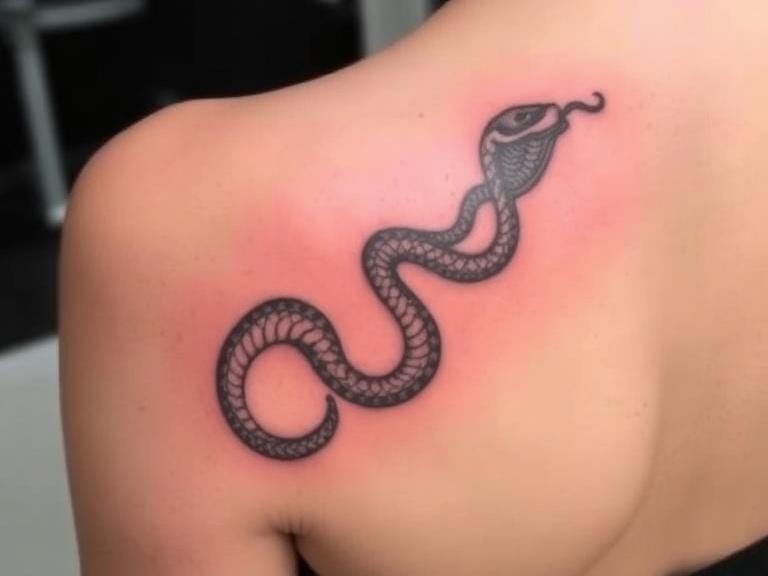
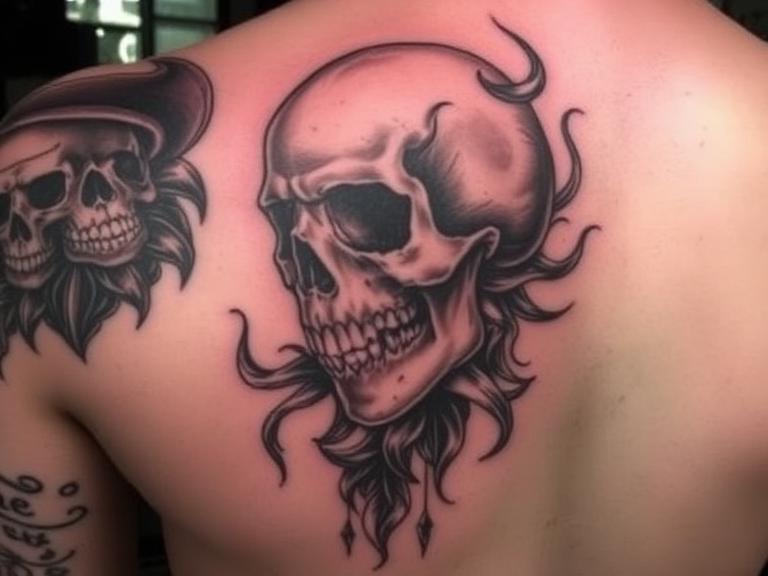
The skull is the undisputed king of tattoo motifs. Since the inception of modern electric tattooing, the human skull has served as a canvas for artists to demonstrate their mastery of contrast, anatomy, and line weight. As we move through 2026, the industry is seeing a massive evolution in how these macabre symbols are executed. Gone are the days of generic, flat flash art. Today's clients demand high-concept fusions, blending hyper-realism with geometric abstraction, or reviving bold traditional styles with modern rotary precision.
From our experience working alongside elite tattoo artists and supplying the world's best studios at INKSOUL, the execution of a great skull tattoo relies entirely on two things: a flawless design concept and uncompromising equipment. Whether you are a collector looking for your next centerpiece or an artist researching the latest trends, you need to understand not just what looks good on paper, but what actually survives the healing process. We have compiled the definitive guide to the best Skull Tattoo Design Ideas for 2026, complete with technical insights on why certain styles outperform others.

Quick Answer: The State of Skull Tattoos in 2026
The most popular Skull Tattoo Design Ideas currently dominating the industry include Neo-Traditional fusions (skulls paired with heavy botanicals), Trash Polka (realistic skulls with aggressive red brushstrokes), and Micro-Realism. If you want a tattoo that will age perfectly over the next 20 years, we recommend bold Blackwork or Traditional styles. For commercial users and studio owners, executing these designs requires high-torque rotary machines and premium needle cartridges capable of packing dense black pigment without overworking the skin.
Table of Contents
- What It Is: The Anatomy of a Skull Tattoo
- How It Works: Technical Execution
- 12 Popular Skull Tattoo Design Ideas for 2026
- Benefits and Limitations of Skull Tattoos
- Who Should Use It & Who Does Not Need It
- Common Mistakes in Skull Tattoos
- Buying Considerations: Artist & Equipment
- Expert Recommendation
- INKSOUL Tattoo Supply
- Frequently Asked Questions
What It Is: The Anatomy of a Skull Tattoo
A skull tattoo is far more than a symbol of mortality; it is a structural framework that allows an artist to manipulate light and shadow. The deep recesses of the eye sockets, the nasal cavity, and the cheekbones provide natural areas for heavy black packing, while the forehead and cranium allow for smooth, sweeping gradients or negative space highlights.
How It Works: Technical Execution
In most professional situations, rendering a skull requires a diverse arsenal of tools. An artist must switch seamlessly between tight lining for teeth and aggressive shading for the cranial vault. Understanding tattoo needle sizes guide parameters is critical here. An artist might use a 3RL (Round Liner) for the intricate cracks in the bone, switch to a 9RS (Round Shader) to build mid-tones, and finish with a 15 Curved Magnum to pack solid black into the eye sockets. Knowing the difference between rs vs rl tattoo needles is what separates a muddy, illegible skull from a high-contrast masterpiece.
12 Popular Skull Tattoo Design Ideas for 2026
If you are searching for Skull Tattoo Design Ideas that transcend the ordinary, here are the top 12 concepts currently dominating studio booking requests.
1. The Neo-Traditional Skull and Flora

Neo-traditional remains a powerhouse style. It features bold, varying line weights and highly saturated, limited color palettes (often mustard yellows, deep olives, and blood reds). Pairing a skull with peonies or chrysanthemums softens the aggressive nature of the bone while providing excellent compositional flow. For this style, artists rely heavily on the best tattoo needle brands to achieve crisp, single-pass lines.
2. Trash Polka Skulls
Originating in Germany, Trash Polka is aggressive, chaotic, and exclusively uses black and red ink. A hyper-realistic skull is often juxtaposed with abstract geometric shapes, text cutouts, and messy red brushstrokes. It is a bold statement piece suited for full sleeves or calves.
3. Memento Mori (Skull and Hourglass)

A classic philosophical reminder of mortality. Modern interpretations often blend the skull inside the glass bulb of the hourglass or use geometric dot-work to transition the skull into falling sand. It requires meticulous stippling techniques.
4. Cyberpunk / Biomechanical Skull
With the rise of futuristic aesthetics, biomech skulls are surging. Think exposed wires, glowing neon optic implants, and metallic jaw replacements. This style demands an expert understanding of light reflection and usually requires highly pigmented, vibrant inks. We recommend ensuring your tattoo lighting equipment is perfectly calibrated to distinguish between metallic grays and deep blacks during the session.
5. Micro-Realism Skulls
Miniature, incredibly detailed skulls no larger than a coin. These are highly popular for forearm or finger placements. However, we must warn that fine-line micro-realism lacks the bold outlines necessary for longevity. They require frequent touch-ups.
6. Heavy Blackwork / Brutalism

This style uses no gradients or gray wash—only solid black ink and negative skin breaks. It looks raw, woodcut, and ancient. It heals incredibly well and never loses its readability. Sourcing the right ink is vital here; look into the best tattoo ink for beginners and pros alike to find a black that will not blow out.
7. The Morphing Skull
An optical illusion where an animal (like a moth or a butterfly) has markings on its back that form a human skull. The "Death's-head Hawkmoth" is the most famous example, made iconic by pop culture but constantly reinvented by modern artists using stippling.
8. Japanese Hannya / Skull Fusion
Blending the anatomical western skull with the horns, fangs, and flowing hair of a Japanese Hannya demon. This is ideal for large-scale back pieces or chest plates, utilizing traditional Japanese wind bars and finger waves as the background.
9. Anatomical Medical Sketch
Designed to look like a page torn from an 18th-century medical journal, complete with cross-hatching, script labels, and parchment-colored shading. It appeals heavily to science and anatomy enthusiasts.
10. The Dagger and Skull
A staple of American Traditional tattooing. A bold, simplistic skull pierced by a dagger. It uses heavy black shading and bright primary colors. It is arguably the most durable tattoo style in existence.
11. Sugar Skulls (Calavera)
Rooted in Mexican culture for Dia de los Muertos, these skulls are highly decorated with vibrant colors, cobwebs, and floral patterns. They honor deceased loved ones and celebrate life rather than mourning death.
12. The Geometric Skull
The skull is fractured into polygons, sacred geometry, and mandalas. Half the skull might be realistic while the other half dissolves into wireframe geometry. This requires perfectly straight lines, demanding that artists know exactly do all needles fit tattoo machines to ensure absolute needle stability without lateral vibration.
Benefits and Limitations of Skull Tattoos
Before committing to a permanent piece, you must evaluate the longevity of the style you choose.
| Tattoo Style | Benefits | Limitations |
|---|---|---|
| American Traditional | Ages flawlessly; holds bold color; readable from across a room. | Lacks intricate detail; rigid styling rules. |
| Hyper-Realism | Stunning artistic impact; highly detailed light/shadow work. | Requires immense artist skill; prone to "muddying" over decades if not given enough negative space. |
| Fine Line / Micro | Elegant, subtle, easy to hide. | Fades rapidly; ink spread (blowout) easily destroys the tiny details. |
Who Should Use It & Who Does Not Need It
For commercial users (tattoo artists): Having a strong portfolio of Skull Tattoo Design Ideas is mandatory. Skulls are a bread-and-butter request. You must master the anatomical proportions before attempting stylized variations. If you run a high-volume shop, ensure your equipment is up to par. Monitor your wireless tattoo gun battery life carefully, as heavy black packing on a skull piece can drain batteries significantly faster than fine line work.
Who does not need it: If you are completely averse to the cultural associations of mortality, or if you work in highly conservative corporate environments where visible tattoos are penalized, a massive forearm skull is likely a poor choice. If you are unsure, we recommend testing the waters. Look into temporary solutions or a temporary tattoo ideas guide to visualize the placement before committing to the needle. Using temporary tattoo pens to sketch a skull onto your arm is a fantastic way to test the aesthetic.
Common Mistakes in Skull Tattoos
From our experience auditing countless portfolios, the most egregious mistake is a lack of contrast. An artist will shade the entire skull in medium gray, resulting in a flat, unreadable blob once healed. A skull requires pure, packed black in the eyes and nose, and untouched, open skin for the highlights on the brow and cheekbones.
Another common failure is poor placement. Placing a highly detailed, rigid skull directly over the elbow or kneecap distorts the anatomy when the joint bends. Skulls belong on flat, stable canvases like the outer thigh, calf, or back.
Buying Considerations: Artist & Equipment
For collectors, your buying consideration comes down to choosing an artist whose healed work matches their fresh portfolios. Do not shop for bargains; good tattoos are not cheap, and cheap tattoos are not good.
For artists and studio owners, your purchasing power dictates your execution. Using sub-par ink that settles as a murky blue rather than a deep black will ruin a realism piece. You need consistent pigment suspension, which is why utilizing a tattoo mixer supply is essential before pouring your caps. Furthermore, maintaining an organized, sanitary workspace with a tattoo ink display rack and proper tattoo needle cleaning supplies ensures efficiency and safety during multi-hour skull sessions.
| Requirement | Recommended Equipment | Why It Matters |
|---|---|---|
| Deep Black Packing | High-Torque Rotary Pen + Curved Magnum Cartridges | Drives dense pigment into the dermal layer with minimal trauma, essential for dark eye sockets. |
| Intricate Bone Detailing | Short-Stroke Machine + 3RL / 5RL Needles | Allows for soft, sweeping whip-shading and hairline cracks without blowing out the lines. |
| Color Realism (Trash Polka) | Color-Calibrated LED Lighting | Ensures the artist can accurately distinguish between deep blood reds and pure blacks during the session. |
Expert Recommendation
In our professional testing and observation, we strongly recommend opting for Skull Tattoo Design Ideas that utilize heavy blackwork or Neo-Traditional styling. These styles rely on high-contrast foundations that survive the physical aging of human skin. Avoid the temptation to shrink a highly complex anatomical skull into a two-inch space. Give the design the real estate it deserves.
For artists executing these designs, never compromise on your hardware. A flawless stencil transfer and a machine that hits consistently without voltage drops are non-negotiable. Equip your studio with materials designed to elevate your craft.
INKSOUL Tattoo Supply — Your Complete Tattoo Solution

Beyond needles and pens, INKSOUL provides a one-stop inventory for tattoo studios. Each product is chosen for quality, compliance, and performance. Visit About INKSOUL to learn more.
- Tattoo Machines: High-performance rotary and coil machines for every style — lining, shading, and color work.
- Tattoo Needles: Full selection: round liners, round shaders, magnums, curved magnums and cartridges.
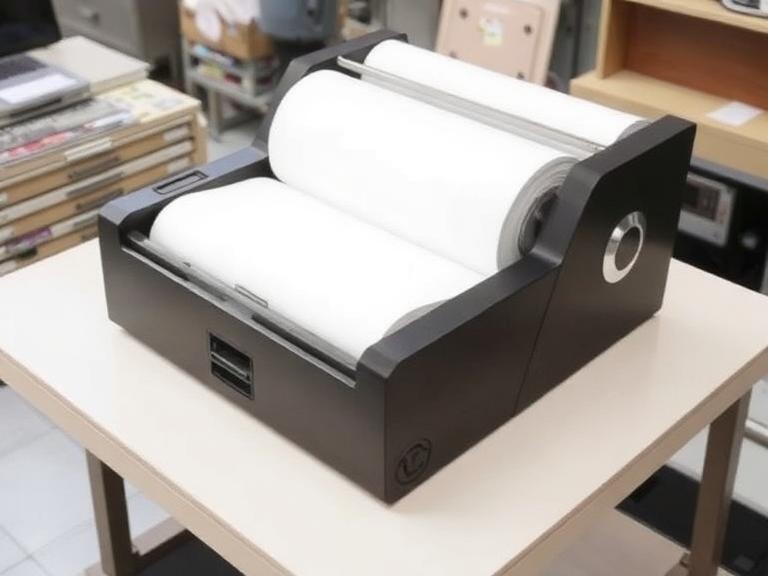
- Tattoo Transfer Printers: Reliable thermal and wireless printers for crisp stencil transfers (INKSOUL T08FS, Phomemo TP31, XIRU XR3).
- Tattoo Stencil Paper: High-contrast, smudge-resistant transfer paper compatible with thermal and ink-based systems.
- Tattoo Lighting Supply: Adjustable, flicker-free LED lights tailored for studio visibility and color accuracy.
- Tattoo Toys & Accessories: Workspace upgrades, grips, foot pedals, power supplies, and studio essentials.
Frequently Asked Questions
What is the best placement for a skull tattoo?
From our experience, the best placements for highly detailed skull tattoo design ideas are broad, flat areas like the outer bicep, calf, thigh, or upper back. These areas allow the artist to pack in necessary contrast without the design warping over sharp bone structures.
Do skull tattoos fade quickly?
Skull tattoos executed with heavy blackwork or traditional styling age exceptionally well. However, micro-realism or fine-line skull tattoos lack the bold outlines needed to hold shape over decades, making them prone to fading and requiring touch-ups.
Can a skull tattoo be used for a cover-up?
Yes. In most professional situations, skulls are excellent for cover-ups because the deep, solid black shading required for the eye sockets and nasal cavity can effortlessly hide dense, older tattoos.