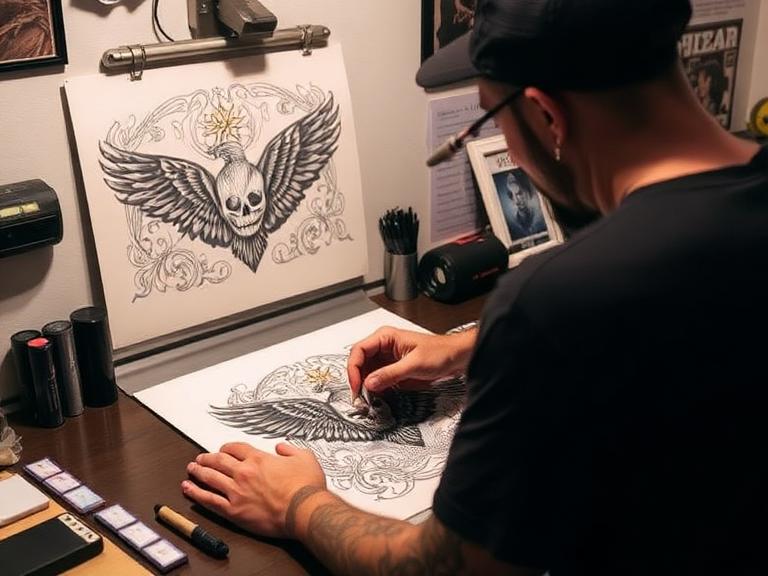
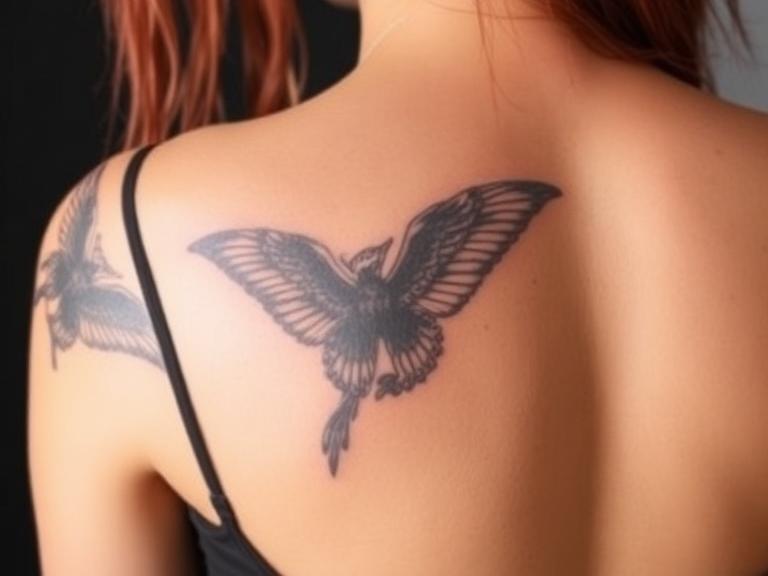
In the world of body art, the line between permanent commitment and temporary visualization is becoming increasingly blurred. Whether you are a professional artist testing placement on a client or an enthusiast looking to print your own temporary tattoos for an event, understanding the technology behind the transfer is crucial. The days of relying on low-quality, pre-made bubblegum machine decals are over.

At INKSOUL, we specialize in empowering artists with high-performance supplies, and we have seen a massive shift toward DIY digital stencil creation. From our experience, the method you choose depends entirely on your end goal: do you need a realistic preview of a permanent tattoo, or a colorful decal for a party? This authoritative guide breaks down the four most effective methods to create custom body art using modern printing technology, ranging from professional thermal solutions to home-office hacks.
- 1. Method 1: Professional Thermal Printing (The Artist's Standard)
- 2. Method 2: Inkjet Water-Slide Paper (The Crafter's Choice)
- 3. Method 3: Laser Printing Transfer Sheets
- 4. Method 4: The Liquid Transfer Hack (DIY)
- 5. Spotlight: The INKSOUL T08FD Technology
- 6. Skin Safety and Preparation
- 7. Summary Comparison Table
- 8. Frequently Asked Questions
- 9. References
1. Method 1: Professional Thermal Printing (The Artist's Standard)
If your goal is to simulate a real tattoo—specifically the linework and placement—thermal printing is the industry gold standard. This method does not produce a colorful sticker; instead, it creates a high-contrast purple carbon stencil that adheres directly to the skin. This is exactly how professional artists visualize a design before tattooing.
We recommend this method for anyone serious about tattoo design or clients who want to "test drive" a tattoo for a few days. The ink used is typically Methyl Violet, which is skin-safe and highly durable against friction.
The Workflow
Using a dedicated machine like the INKSOUL T08FD allows you to print directly from your mobile phone or computer. The process uses heat to transfer carbon from a specialized 4-ply sheet onto a master sheet. Because there is no liquid ink involved, the edges are incredibly crisp.
2. Method 2: Inkjet Water-Slide Paper (The Crafter's Choice)
For those looking to print your own temporary tattoos in full color, standard home inkjet printers are the most accessible tool. This method requires specialized "Temporary Tattoo Paper," which is widely available online.
How It Works
This paper comes in two parts: the printing sheet and a clear adhesive film.
- Print: You print your design in reverse (mirror image) onto the glossy side of the printing sheet using standard inkjet ink.
- Adhere: You manually apply the clear adhesive film over the printed sheet.
- Apply: The tattoo is applied with water, similar to childhood decals.
While accessible, this method has limitations. The "adhesive film" creates a visible shiny rectangle around the design unless you cut it very precisely. Furthermore, inkjet ink is water-soluble, meaning these tattoos often dissolve quickly if exposed to sweat or swimming.
3. Method 3: Laser Printing Transfer Sheets
Laser printing offers a step up in durability from inkjet. Because laser printers use toner (plastic powder fused by heat) rather than liquid ink, the resulting image is naturally water-resistant. If you want to print your own temporary tattoos that last longer than a day at the beach, this is a superior DIY option.
Critical Considerations
You must purchase tattoo paper specifically rated for Laser Printers. Using inkjet paper in a laser printer can be disastrous; the heat from the laser fuser can melt the coating of inkjet paper, destroying your printer's internal components.
We recommend this method for black-and-grey designs or tribal patterns where sharp, solid blacks are required. The toner creates a slightly raised texture on the skin, which can feel less natural than a thermal stencil but looks more vibrant than an inkjet print.
4. Method 4: The Liquid Transfer Hack (DIY)
This is a "hack" widely known in the DIY community and often used in prisons or low-budget scenarios, though we advise caution regarding skin safety. It involves using high-alcohol content liquid (like cologne or hand sanitizer) to transfer ink from standard paper to skin.
The Process
The design is printed on standard paper using a laser printer (inkjet does not work well here). The skin is coated with deodorant or cologne. The paper is placed face down, and the back is soaked with more alcohol. The chemical reaction releases the toner from the paper and deposits it onto the skin.
Warning: The result is often faint and blurry compared to the methods above. We generally do not recommend this for professional presentation, but it remains a viable "emergency" method for rough visualization.
5. Spotlight: The INKSOUL T08FD Technology
When precision is non-negotiable, consumer-grade printers fall short. For artists and enthusiasts who require the highest fidelity when they print your own temporary tattoos (stencils), the INKSOUL T08FD represents the cutting edge of thermal transfer technology.
INKSOUL® T08FD Tattoo Transfer Printer

This device bridges the gap between digital design and physical application. It is designed for mobility and precision.
- Smart Touch Screen: A 2-inch interface allows for fingertip parameter adjustments, eliminating the need for a PC connection for settings.
- Mobility: With a 1200mAh battery and a weight of only 745g, it is completely wireless.
- Precision: Printing at a speed of 10-15mm/s ensures that complex geometric patterns or fine line work are transferred without "eating" the paper.
- Compatibility: It supports standard print widths of 210-216mm (A4 size), making it compatible with all standard tattoo transfer papers.
We recommend the T08FD specifically because it minimizes the "crinkle" effect common in cheaper thermal units, ensuring the stencil sheet remains flat and usable.
6. Skin Safety and Preparation
Regardless of the method used, the longevity and safety of the tattoo depend on skin preparation. Ink and adhesive will not bond to oils or hair.
- Shave: Always shave the area. Hair creates a barrier that lifts the ink/adhesive off the skin.
- Exfoliate: Use alcohol or a scrub to remove dead skin cells.
- Dry: Ensure the skin is completely dry before application.
- Seal (Optional): For decal-style tattoos (Method 2 & 3), applying a light dusting of translucent setting powder or hairspray can remove the artificial shine and extend wear time.
7. Summary Comparison Table
Here is how the four methods stack up against each other.
| Method | Best For | Durability | Realism | Equipment Needed |
|---|---|---|---|---|
| Thermal (INKSOUL) | Line work, Stencils, Placement testing | High (2-4 Days) | High (Outline) | Thermal Printer + Transfer Paper |
| Inkjet Decal | Color designs, Kids, Parties | Low (1 Day) | Medium (Looks like a sticker) | Home Printer + Water Slide Paper |
| Laser Decal | Water-resistant designs | Medium (2-3 Days) | Medium | Laser Printer + Laser Tattoo Paper |
| Liquid Hack | Rough visualization | Very Low (<24 Hours) | Low (Faint) | Laser Print + Alcohol/Cologne |
8. Frequently Asked Questions
Can I use regular paper for thermal printing?
No. Thermal printers like the INKSOUL T08FD require specialized thermal transfer paper (often called spirit paper). This paper contains the heat-sensitive carbon required to create the image. Standard paper will pass through the machine but will come out blank.
How do I remove these tattoos?
For thermal stencils, alcohol or hand sanitizer is the most effective remover. For inkjet/laser film tattoos, baby oil or household tape (stick and peel) works best to lift the adhesive from the skin.
Why is my inkjet tattoo peeling off immediately?
This is usually due to skin oils or improper cutting. Ensure you cut as close to the design as possible, and clean the skin thoroughly with alcohol before application. If the skin is oily or sweaty, the adhesive cannot bond.
Does the INKSOUL T08FD print in color?
No. Thermal technology uses heat to transfer a single color (typically violet/purple carbon). It is designed for creating the outline or stencil of a tattoo, not a full-color photorealistic temporary image.
9. References
-
Dermatological Society of Ink Studies. "Skin Safety in Temporary Adhesives."
- Journal of Imaging Science. "Thermal Transfer vs. Inkjet durability in cutaneous applications."