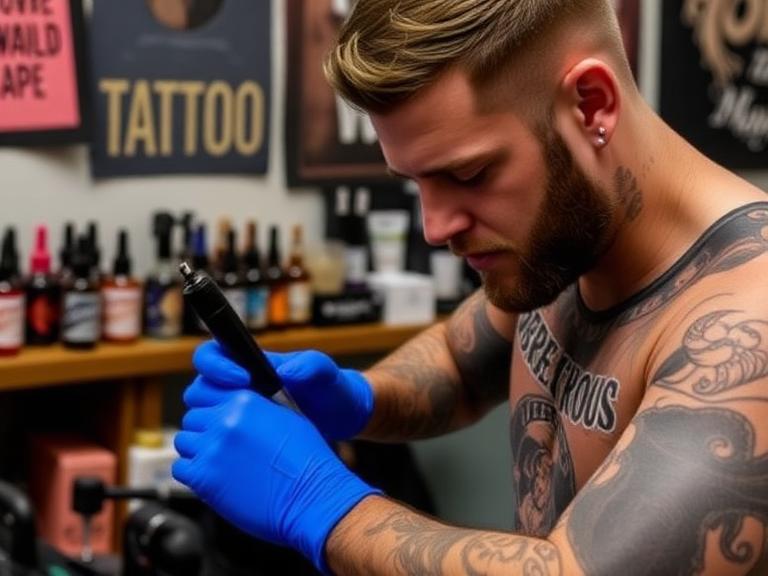
Welcome to the modern era of tattooing. Over the past decade, the industry has experienced a massive technological shift. The days when a heavy, loud, and temperamental coil machine was the only mark of a true professional are definitively over. Today, the market is flooded with thousands of options, ranging from traditional iron coils to highly advanced wireless pens. But with endless choices comes endless confusion. If you are trying to figure out how to choose the right tattoo machine, you are likely overwhelmed by marketing hype, sponsored influencer reviews, and conflicting advice from veteran artists.

From our experience at Inksoul, your tattoo machine is a direct extension of your hand. Making the wrong choice doesn't just waste your hard-earned money—it directly impacts your career progression, causes long-term wrist fatigue, and ultimately dictates the quality of ink you lay into your client's skin. In this comprehensive guide, we are cutting through the noise. We will tell you exactly what matters mechanically, what is merely a marketing gimmick, and how to invest your capital wisely based on your specific artistic needs.
Quick Answer: How to Choose the Right Tattoo Machine?
To choose the right tattoo machine, you must align the machine's internal mechanics with your specific artistic style and experience level. For 90% of modern artists—especially beginners and commercial users—we recommend investing in a wireless, pen-style rotary machine featuring an adjustable stroke. This specific setup offers maximum versatility for lining, shading, and color packing without the ergonomic strain of heavy coils or the clutter of clip cords. Traditional coil machines remain unmatched for punchy, single-pass bold lines, but they require constant manual tuning and an intimate understanding of electromagnetic physics that most new artists simply do not possess.
Table of Contents
- What It Is: The Core Tool of the Trade
- How It Works: Stroke, Give, and Power
- Benefits of Modern Wireless Rotary Pens
- Limitations of Rotary Pens
- Who Should Use It
- Who Does Not Need It
- Common Mistakes When Choosing
- Buying Considerations
- Expert Recommendation: The Inksoul Perspective
- Essential Guide Tables
- Frequently Asked Questions
- Authoritative References
What It Is: The Core Tool of the Trade
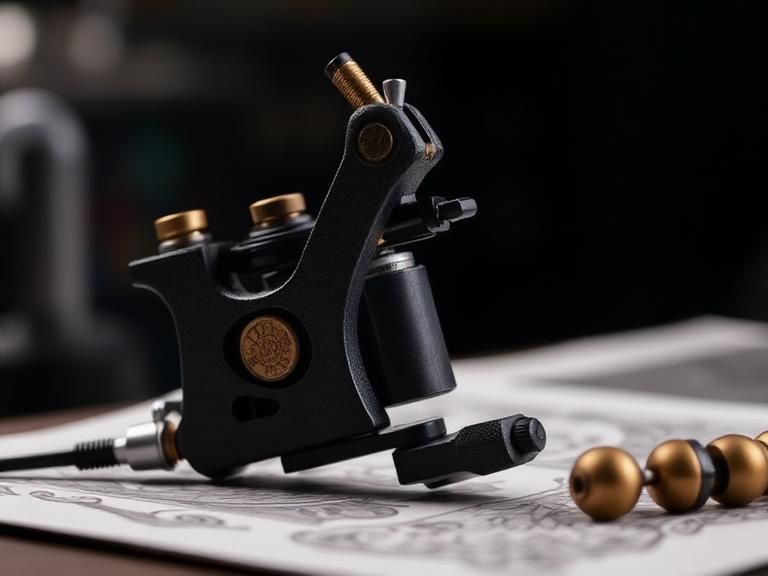
At its core, a tattoo machine is a handheld device used to rapidly insert indelible ink into the dermis layer of the skin. While the fundamental goal hasn't changed since Samuel O'Reilly patented the first electric machine in 1891, the technology driving the needles has evolved drastically. Today, you are choosing between three primary architectures:
- Coil Machines: The traditional standard. They use electromagnetic coils to pull a spring-loaded armature bar up and down. They are loud, heavy, and punchy.
- Rotary Machines: These utilize a small electric motor to drive a spinning cam wheel, which translates rotational motion into the linear up-and-down motion of the needle. They are significantly quieter and lighter than coils.
- Pen-Style Machines: A modern sub-category of rotaries, built into a sleek, cylindrical housing that resembles a thick marker or pen. The vast majority of modern iterations are entirely wireless and rely on battery packs.
How It Works: Stroke, Give, and Power
When evaluating professional tattoo machines, you must understand three critical mechanical concepts: Stroke length, "Give", and Power source.
- Stroke Length: This is the physical distance the needle travels in one full cycle. A short stroke (1.8mm to 2.5mm) hits softly, making it perfect for smooth black-and-grey shading and seamless blending. A medium stroke (3.0mm to 3.5mm) is the versatile all-rounder. A long stroke (4.0mm and above) hits hard and fast, which is ideal for bold traditional lining and heavy, solid color packing.
- Give: This refers to how much the needle "bounces" back or yields when it meets the resistance of human skin. Coil machines naturally have give due to their spring mechanics. Traditional rotaries do not have give; they hit with unforgiving, mechanical consistency.
- Power: You must choose between bulky traditional power supplies requiring RCA clip cords and foot pedals, versus modern lithium-ion batteries that snap directly onto the top of a pen machine.
Benefits of Modern Wireless Rotary Pens
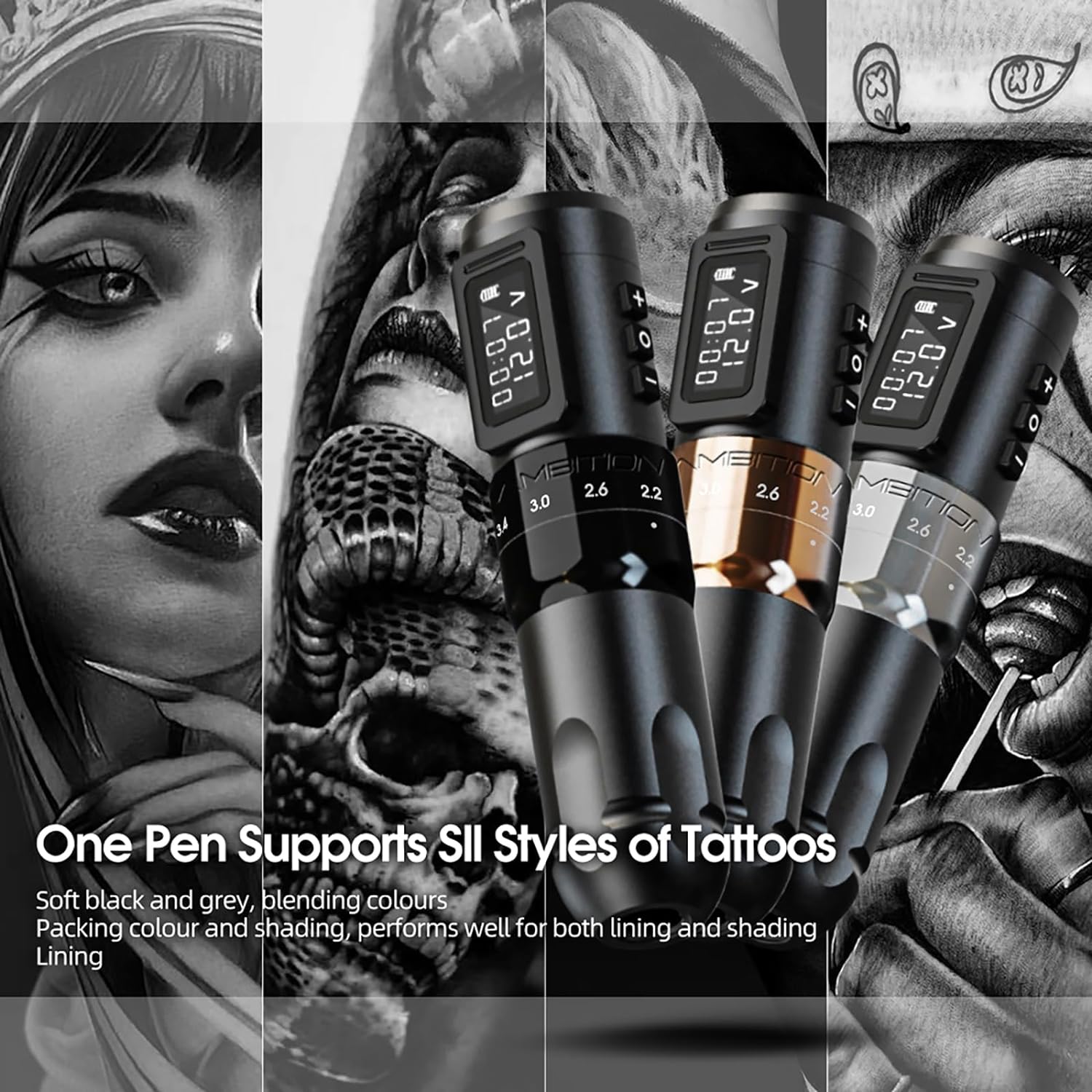
In most professional situations today, wireless rotary pens are taking over the industry, and the benefits are undeniable. First and foremost is ergonomics. The balanced, cylindrical weight distribution drastically reduces the risk of carpal tunnel syndrome and wrist fatigue compared to the top-heavy, unbalanced nature of coil machines.
Secondly, convenience. Navigating around a client's body without constantly dragging and untangling a clip cord is an absolute revelation for workflow. Third, hygiene and cross-contamination prevention. Bagging a single, cordless pen with standard barrier film is infinitely easier and safer than wrapping a coil machine, a cord, and a power supply.
Finally, versatility. Modern machines with adjustable strokes allow you to switch from pulling a thick outline to laying down soft pepper shading with a simple twist of a dial. This eliminates the outdated necessity of setting up three different machines for a single tattoo session.
Limitations of Rotary Pens
We believe in practical judgment, so we must address the inherent drawbacks of the modern rotary movement. First, rotary pens lack the natural "give" of a tuned coil machine. If you are naturally heavy-handed, it is very easy to chew up the skin and cause unnecessary trauma because the internal motor will not yield to skin resistance.
Secondly, you are entirely at the mercy of your wireless tattoo gun battery life. If you forget to charge your batteries, or if a battery degrades over time, your session comes to a grinding halt. Lastly, while rotary pens can do everything well, traditional purists argue that a rotary will never pull a fat, single-pass line quite as effortlessly as a dedicated, properly tuned liner coil machine.
Who Should Use It
For beginners, a wireless rotary pen is the only logical starting point. It allows you to focus entirely on needle depth, hand speed, and artistic technique without needing an engineering degree to tune contact screws and bend armature springs.
For commercial users operating in high-volume street shops, the rapid setup and teardown times of a wireless pen translate directly into higher daily revenue and faster client turnover. For heavy-duty applications where you are tattooing for 8 to 10 hours straight, the vibration reduction of a premium rotary motor will save your hands from debilitating nerve damage.
Who Does Not Need It
If you specialize exclusively in American Traditional tattooing and pride yourself on heavy, bold, single-pass whip shading, a modern rotary pen might feel sterile, muted, and underpowered. Traditional purists who rely on the distinct auditory feedback and mechanical punch of an electromagnetic coil machine do not need to upgrade to a rotary if their current setup serves their highly specialized niche perfectly. Furthermore, if you are just experimenting and looking for temporary tattoo ideas, buying professional hardware is entirely unnecessary.
Common Mistakes When Choosing
In our testing and industry observation, we see artists make the same critical errors year after year:
- Buying Cheap Knockoffs: Purchasing a cheap machine from a generic online marketplace is a guaranteed recipe for failure. These machines feature weak motors that fluctuate in voltage, leading to snagged skin, blown-out lines, and patchy heals. Always invest in recognized top tattoo machine brands.
- Ignoring Needle Compatibility: Some proprietary machines only accept specific, overpriced cartridges. You must ensure your machine accepts universal cartridges. To understand this fully, review our guide on do all needles fit tattoo machines.
- Choosing the Wrong Stroke Length: Buying a fixed 4.0mm stroke machine when your portfolio primarily consists of soft, black-and-grey realism will result in overworked, heavily damaged skin.
- Forgetting the Basics: A great machine will not save you if you do not understand your supplementary tools. You must study a tattoo needle sizes guide to pair the right needle configuration with your machine's capabilities. Additionally, sourcing high-quality pigment, such as the best tattoo ink for beginners, is just as vital as the machine itself.
Buying Considerations
When you are ready to invest your capital, you must evaluate the following specifications with scrutiny:
- Motor Quality: Look for coreless or brushless motors from reputable manufacturers. Brushless motors last significantly longer, run cooler under heavy loads, and provide consistent torque at low voltages.
- Adjustable vs. Fixed Stroke: If your budget allows for only one machine, an adjustable stroke is non-negotiable. It gives you the power to line, pack color, and shade seamlessly with one tool.
- Battery Ecosystem: Does the machine come with dual batteries? Is the connection proprietary, or does it offer a standard RCA adapter for backup corded use? You must always have a backup power source mid-tattoo.
- Hygiene and Cleaning: Ensure the grip is detachable and autoclavable. Keeping your equipment sterile is legally and ethically required. Pair this with proper tattoo needle cleaning supplies and safety protocols.
- Safety Membrane Requirements: Your machine must be paired with needle cartridges that feature full safety membranes. This prevents ink, blood, and plasma from backflowing into the machine's motor. This is a critical engineering control mandated by health authorities and championed by industry groups .
Expert Recommendation: The Inksoul Perspective
At Inksoul, we have watched countless talented artists struggle with outdated, heavy equipment that actively fights against their natural abilities. If you want to know how to choose the right tattoo machine for modern, versatile, and comfortable tattooing, we strongly recommend prioritizing a high-quality, adjustable stroke wireless pen.
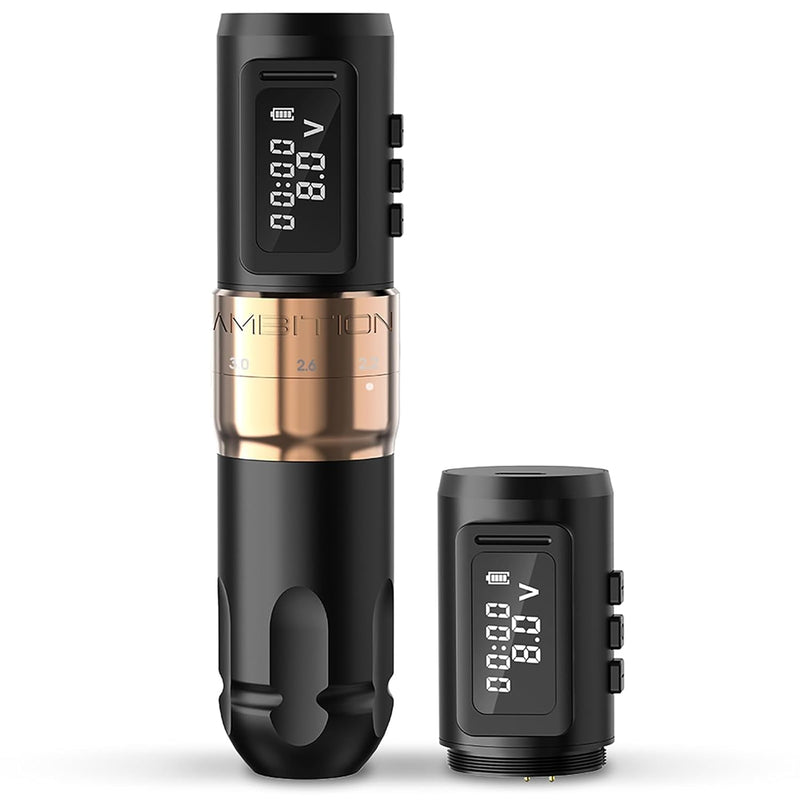
Ambition MARS-U Wireless Tattoo Machine with Adjustable Stroke
The Ambition MARS-U is a professional wireless tattoo machine featuring a fully adjustable stroke for versatile performance across all tattooing styles. Whether you are executing delicate fine line work or heavy, saturated color packing, the MARS-U adapts to your technique instantly.
- Adjustable stroke length for lining, shading, and color packing on the fly.
- Wireless battery-powered system for total cord-free freedom.
- Available in Black, Silver, and Gold finishes.
- Single or dual battery configurations for extended, heavy-duty sessions.
- Fully compatible with standard universal cartridge needles.
Essential Guide Tables
| Machine Type | Mechanism | Weight & Ergonomics | Best For |
|---|---|---|---|
| Coil Machine | Electromagnetic springs and armature bar | Heavy, unbalanced, high vibration | Traditional bold lining, heavy whip shading |
| Standard Rotary | Electric motor driving a cam wheel | Lightweight, low vibration | Color packing, consistent smooth shading |
| Wireless Pen | Enclosed motor with direct drive or gear system | Balanced, ergonomic, zero cord drag | All-around versatility, daily commercial use |
| Feature | Fixed Stroke (e.g., 3.5mm) | Adjustable Stroke (e.g., 2.4mm - 4.2mm) |
|---|---|---|
| Versatility | Limited. Performs best at one specific task. | Extremely High. Can line, shade, and pack. |
| Cost | Generally cheaper upfront. | Higher initial investment. |
| Durability | Fewer moving parts; theoretically longer lifespan. | Complex internal cam system requires careful maintenance. |
| Ideal User | Artists who own multiple machines for different tasks. | Beginners, travelers, and artists who prefer a single tool. |
| Pros | Cons |
|---|---|
| No cables to trip over, snag, or cross-contaminate. | Batteries degrade over years of heavy use. |
| Ergonomic design prevents severe wrist fatigue. | Heavier at the top due to the attached battery pack. |
| Extremely quiet operation, relaxing for the client. | Lacks the mechanical "give" of a traditional coil. |
| Easy to wrap with standard barrier film for hygiene. | Requires remembering to charge equipment daily. |
| Experience Level | Recommended Specification | Why It Works |
|---|---|---|
| Beginner / Apprentice | Wireless Pen with Adjustable Stroke | Allows experimentation with different techniques without buying multiple machines. |
| Black & Grey Realism Artist | Fixed Short Stroke Rotary (2.5mm - 3.0mm) | Provides the ultra-soft hitting power required for smooth, seamless gradients. |
| Traditional / Japanese Artist | Coil Liner + Fixed Long Stroke Rotary (4.0mm+) | Delivers the aggressive punch needed for single-pass bold lines and dense color saturation. |
Frequently Asked Questions
What is the best tattoo machine for a beginner?
For beginners, a wireless rotary pen with an adjustable stroke is the best choice. It removes the steep learning curve of tuning coil machines and managing power supplies, allowing you to focus entirely on your hand movement, needle depth, and artistic technique.
Does stroke length really matter?
Absolutely. Stroke length determines how hard the needle hits and how much momentum it carries. A short stroke (2.5mm) is gentle and meant for soft shading. A long stroke (4.0mm) is aggressive and meant for pushing thick needle groupings for bold lines. Using the wrong stroke for the job will result in either poor ink saturation or severe skin trauma.
How long do wireless tattoo machine batteries actually last?
Most premium wireless tattoo batteries last between 5 to 8 hours on a single charge, depending heavily on the voltage you are running and the size of the needle cartridge you are pushing. We always recommend purchasing a machine that includes a backup battery to seamlessly swap out during long day sessions.
Are rotary machines better than coil machines?
"Better" is subjective. Rotary machines are objectively lighter, quieter, more ergonomic, and require less maintenance. However, coil machines provide a specific mechanical feedback and punch that many traditional artists argue cannot be replicated by a rotary motor. For modern versatility, rotaries win; for traditional purists, coils remain king.
Authoritative References
To ensure the highest standards of safety, E-E-A-T, and professional integrity, the mechanical guidelines and hygiene protocols discussed in this article are aligned with the following authoritative bodies:
- Occupational Safety and Health Administration (OSHA) - Bloodborne Pathogens Standard (29 CFR 1910.1030)
- The Alliance of Professional Tattooists (APT) - Professional Standards and Best Practices for Infection Control
- U.S. Food and Drug Administration (FDA) - Tattoos & Permanent Makeup: Fact Sheet and Cosmetic Safety