The global tattoo industry has exploded into a multi-billion dollar sector, evolving from underground subculture to mainstream fine art. Yet, despite its widespread popularity, a surprising number of clients—and even aspiring artists—fundamentally misunderstand the biological and mechanical realities of the medium. At INKSOUL, we supply the world's most demanding studios with precision machines, advanced stencil printers, and premium needles. From our experience, the foundation of every masterpiece begins with understanding exactly what an ink tattoo is, how the skin reacts to it, and why professional-grade equipment is the only acceptable standard.

We are not here to provide a generic, watered-down encyclopedia entry. We are here to deliver commercial and practical judgment on the tattoo process. Whether you are a consumer wondering how permanent pigment works, or an apprentice putting together your first professional workstation, you need to understand the uncompromising mechanics of an ink tattoo. A successful piece requires flawless execution, starting from a digital design transferred via a high-end thermal printer, all the way to the precise depth of a needle penetrating the dermis.
Quick Answer: What is an Ink Tattoo?
An ink tattoo is a permanent form of body modification created by inserting solid pigment particles into the dermis layer of the skin using mechanized needles. Unlike temporary tattoos (like henna or jagua) that stain the superficial epidermis and wash away, an ink tattoo permanently alters the skin because the pigment particles are too large for the body's immune system (macrophages) to carry away. We recommend that any permanent ink tattoo be executed exclusively by licensed professionals utilizing high-performance rotary or coil machines, sterile needles, and dedicated thermal transfer printers to ensure precision, longevity, and biological safety.
Table of Contents
- What It Is: The Biology of Permanence
- How It Works: From Stencil to Skin
- The Benefits of Permanent Ink
- Limitations and Artistic Realities
- Who Should Pursue an Ink Tattoo
- Who Does Not Need It
- Common Mistakes in the Tattoo Process
- Buying Considerations for Tattoo Artists
- Expert Recommendation
- Frequently Asked Questions
What It Is: The Biology of Permanence
To understand an ink tattoo, you must understand the anatomy of human skin. The skin consists of three primary layers: the epidermis (the outer layer), the dermis (the middle layer), and the hypodermis (the subcutaneous tissue). The epidermis continuously sheds thousands of dead skin cells every hour. If you place pigment into the epidermis, it will completely disappear within a few weeks.
An authentic ink tattoo places pigment directly into the dermis, which is stable and does not shed. When the tattoo needle punctures the skin, it causes micro-trauma. The body's immune system instantly responds to this trauma by sending white blood cells called macrophages to the site to engulf the invading foreign material (the ink). However, professional tattoo ink particles are physically larger than the macrophages. The cells consume the ink but cannot carry it away to the lymph nodes. The macrophages simply freeze in place within the dermal matrix, trapping the ink visibly beneath the translucent epidermis. This cellular standoff is what makes an ink tattoo permanent.
| Type of Body Art | Application Method | Skin Layer Targeted | Lifespan |
|---|---|---|---|
| Professional Ink Tattoo | Mechanized needles (Rotary/Coil) | Dermis (Middle Layer) | Permanent (Decades) |
| Henna / Mehndi | Surface paste application | Epidermis (Outer Layer) | 1 to 3 Weeks |
| Ephemeral / Fade Ink | Mechanized needles with bio-absorbable ink | Dermis | 9 to 15 Months |
| Stick-and-Poke | Manual single needle puncture | Dermis (often inconsistent depth) | Permanent (prone to fading/blowouts) |
How It Works: From Stencil to Skin
Creating an ink tattoo is a highly technical, multi-step engineering process. In most professional situations, artists do not simply freehand complex geometric or photorealistic designs directly onto the skin. The process demands meticulous preparation, utilizing specialized equipment to bridge the gap between digital artwork and human anatomy.
Phase 1: The Transfer Process

Before a needle ever touches the skin, the artist must create a stencil. If the stencil fails, the tattoo fails. Historically, artists hand-traced designs over carbon paper—a tedious process prone to human error. Today, modern studios rely on advanced thermal technology. If you are wondering can a normal printer print tattoo stencils, the answer is a resounding no. Standard inkjet printers cannot activate the carbon dyes required to adhere to human skin.
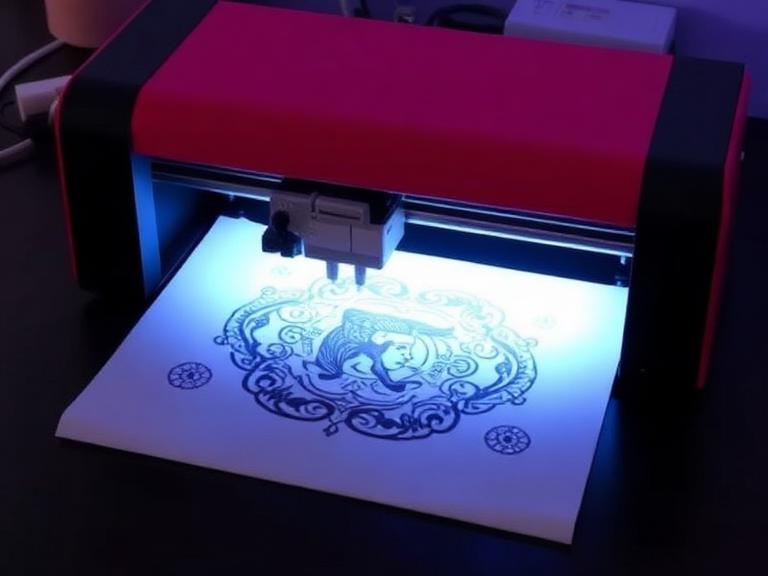
To execute a flawless transfer, artists must use dedicated equipment. In our testing, upgrading to a wireless tattoo stencil printer fundamentally changes a studio's workflow, allowing artists to beam designs directly from an iPad to the printer. The printer uses heat to transfer the design onto specialized multi-layer paper. Understanding exactly what tattoo stencil paper is made of is crucial, as the thermographic wax is the only material that will bond with stencil application fluid on the client's skin without bleeding away during the tattoo session.
Phase 2: The Needle and Machine Mechanics
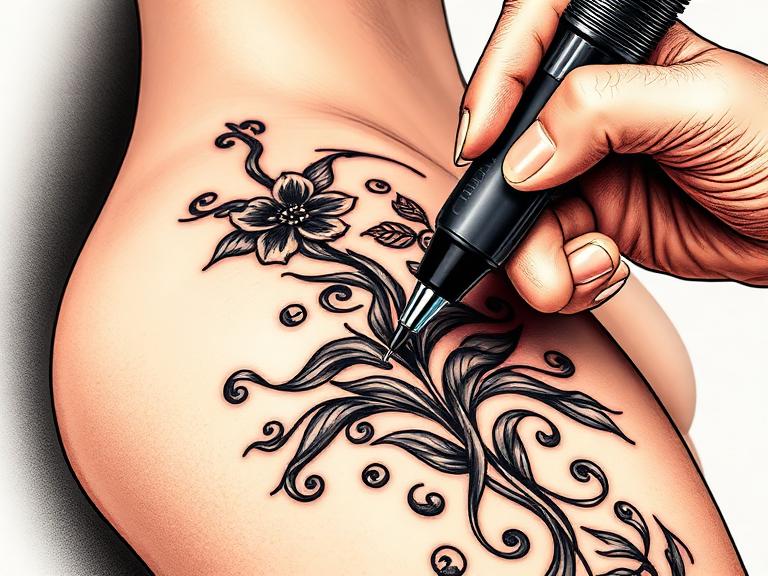
Once the stencil is applied and dried, the mechanical work begins. The artist uses a tattoo machine (either a traditional electromagnetic coil machine or a modern rotary pen) to drive a grouping of needles up and down at frequencies ranging from 50 to 3,000 punctures per minute. Capillary action draws the ink from the machine's reservoir down the needles and into the dermal layer.
| Equipment Type | Mechanism of Action | Best Used For | Professional Verdict |
|---|---|---|---|
| Standard Inkjet Printer | Sprays liquid ink onto standard paper | Printing reference photos only | Useless for skin transfers. See our regular printer for tattoo transfer paper guide. |
| Traditional Thermal Copier | Uses heat lamps to burn carbon onto tracing paper | Basic line work and traditional designs | Reliable, but bulky and outdated for highly detailed digital art. |
| Modern Wireless Stencil Printer | Direct thermal heating via Bluetooth/Wi-Fi data | Intricate shadows, realism, and high-speed workflow | The absolute industry standard for modern studios. |
The Benefits of Permanent Ink
For the consumer, an ink tattoo offers unparalleled self-expression, memorialization, and aesthetic enhancement. Because the pigment resides safely in the dermis, it withstands decades of sun exposure, skin shedding, and aging, retaining its fundamental structure. For commercial users—the artists and studio owners—the medium provides a lucrative, scalable business model. Armed with high-quality supplies, a talented artist can command premium hourly rates, building a loyal clientele based on the lasting quality of their line work and shading.
Limitations and Artistic Realities
We must apply practical judgment when discussing the limitations of ink tattoos. The primary limitation is permanence. Laser tattoo removal is excruciating, incredibly expensive, and rarely returns the skin to a completely flawless state. Furthermore, ink tattoos are subject to biological aging. As skin loses elasticity over decades, fine details will spread (a process known as ink migration). Highly intricate, micro-realism tattoos that look stunning on Instagram on day one will inevitably blur over ten years. Bold lines and heavy saturation hold up best over time.
| Pros | Cons |
|---|---|
| Lifelong durability and permanence. | Painful application process. |
| Limitless artistic possibilities and color palettes. | Extremely difficult and costly to remove. |
| Safe when executed by licensed professionals. | Risk of infection if cheap/unsterile equipment is used. |
| Allows for the concealment of scars or stretch marks. | Fine details naturally blur as the skin ages. |
Who Should Pursue an Ink Tattoo
For clients: Individuals who have carefully considered their design, researched their artist's portfolio, and are fully committed to a permanent body modification. You should be prepared for the financial cost of professional work and the physical discomfort of the application.
For commercial users (Artists): Dedicated professionals who invest in their craft. If you are opening a studio, you must equip yourself with industry-leading tools. This means investing in a touch screen tattoo printer for flawless stencil production, flicker-free LED studio lighting, and premium needle cartridges.
Who Does Not Need It
For beginners who are highly indecisive, prone to regret, or lack the budget for a professional artist, do not attempt to get an ink tattoo. Resorting to cheap, unlicensed "scratchers" operating out of kitchens leads to horrific scarring, bloodborne pathogens, and catastrophic aesthetic results. If you are unsure, stick to temporary jagua gel or custom temporary transfer tattoos.
Common Mistakes in the Tattoo Process
From our experience supplying thousands of artists, the most severe mistakes in creating an ink tattoo happen before the needle even fires. The most common technical failure is stencil loss. If an artist uses a low-quality printer or fails to prep the skin properly, the stencil will wipe away during the first hour of shading. Navigating how to use tattoo transfer paper correctly is a non-negotiable skill.
Mechanically, the most common error is improper needle depth. If the artist does not push the needle deep enough (staying in the epidermis), the ink will fall out during the healing process. If the artist pushes too deep (hitting the hypodermis), the ink will spread uncontrollably beneath the skin, creating a permanent, blurry halo known as a "blowout."
Buying Considerations for Tattoo Artists
If you are a commercial user setting up a professional workstation, your buying decisions directly dictate your artwork's quality. You cannot execute a world-class ink tattoo with inferior hardware.
Your first priority must be stencil generation. We routinely see artists struggle with outdated thermal copiers that jam or produce faded, unreadable lines. You must consult a comprehensive tattoo transfer printer guide to understand your options. For heavy-duty applications in a busy shop, reviewing the best tattoo stencil printers is mandatory. Mobile artists or convention workers should specifically seek out a compact thermal tattoo printer with a built-in lithium battery to ensure they can produce crisp stencils without being tethered to a wall outlet.
| Equipment Category | Critical Features to Look For | Why It Matters |
|---|---|---|
| Stencil Printer | Thermal technology, 203+ DPI resolution, Bluetooth app integration. | Translates digital iPad designs into perfect physical skin stencils. |
| Tattoo Machine | Adjustable stroke length, coreless motor, lightweight ergonomic design. | Reduces hand fatigue and allows precision depth control in the dermis. |
| Needle Cartridges | Medical-grade 316L stainless steel, safety membrane, precise soldering. | Prevents backflow of biohazards into the machine; ensures crisp lines. |
| Studio Lighting | Adjustable color temperature, high CRI (Color Rendering Index). | Prevents eye strain and ensures accurate color packing and shading. |
Expert Recommendation
We recommend that anyone entering the tattoo industry treat the creation of an ink tattoo as a serious medical and artistic procedure. Do not cut corners on your hardware. In most professional situations, the quality of your stencil directly dictates the confidence of your execution. Invest heavily in your preparation phase by utilizing high-end thermal printers and premium transfer paper. At INKSOUL, we provide the exact tools required to elevate your craft from amateur sketching to permanent, professional mastery.
Welcome to INKSOUL

We are committed to empowering tattoo artists with reliable, high-performance supplies. Serving retail and wholesale customers worldwide, INKSOUL supplies everything a modern tattoo studio needs — from precision needles and advanced stencil printers (like the INKSOUL T08FS) to studio lighting and workspace accessories.
Frequently Asked Questions
Is tattoo ink safe for the body?
Professional tattoo inks are generally considered safe and are manufactured under strict guidelines. Modern inks utilize organic and inorganic pigments suspended in a carrier solution (like witch hazel or distilled water). However, individuals with severe metal allergies should always consult a dermatologist, as certain colored pigments (particularly reds) can rarely trigger allergic reactions.
How deep does a tattoo needle go to create an ink tattoo?
A professional tattoo needle penetrates approximately 1 to 2 millimeters into the skin. The goal is to bypass the shedding epidermis and deposit the ink securely into the dermal layer. Going too shallow results in the tattoo flaking off, while going too deep causes painful blowouts and scarring.
Why do some ink tattoos fade faster than others?
Fading is primarily caused by unprotected exposure to UV radiation (sunlight), which breaks down the pigment particles over time. Additionally, tattoos placed on high-friction areas with rapid cell turnover—such as the palms of the hands, fingers, or soles of the feet—will inevitably fade and degrade significantly faster than tattoos on the arms or back.