Entering the tattoo industry or upgrading your studio equipment requires navigating a saturated, highly confusing marketplace. In 2026, the technology driving tattoo machines has evolved aggressively. We have completely transitioned away from the heavy, cumbersome coil machines and tangled clip cords of the past. The modern standard is the wireless rotary pen. However, this technological leap has created a massive disparity in the Tattoo Machine Full Set price.

From our experience engineering and supplying professional-grade equipment at INKSOUL®, we see artists constantly making the same financial mistakes. They either severely overpay for a name brand when a mid-range machine offers identical coreless motor performance, or worse, they buy a dangerously cheap knockoff kit that jeopardizes their clients' skin and their own developing technique. You cannot master shading or precise linework if your voltage fluctuates and your needles snag. In this uncompromising guide, we will break down exactly what a full set entails, analyze current market pricing, and explain not only what these components do, but WHETHER they are actually worth your investment.
Quick Answer: What is the Tattoo Machine Full Set Price in 2026?
In the current 2026 market, the price of a complete tattoo machine set depends entirely on the tier of equipment. Basic Starter Kits (machine, generic ink, basic needles) range from $100 to $300. Mid-Range Prosumer Sets, which offer superior build quality and reliable wireless batteries, cost between $300 and $700. Professional-Grade Full Sets from top-tier luxury brands range from $800 to $1,500+. We recommend that serious apprentices and working professionals bypass the sub-$200 kits entirely and invest in a mid-range to high-end wireless pen setup to ensure consistent needle drive, safety, and long-term durability.
Table of Contents
- What is a Tattoo Machine Full Set?
- How Pricing Works: The Factors That Drive Cost
- Quick Summary Table: Pricing Tiers
- The Benefits of Buying a Full Set
- Limitations and Hidden Costs
- Comparison Table: Starter vs. Pro Sets
- Who Should Use What (And Who Doesn't Need It)
- Pros and Cons of Buying Full Kits
- Common Mistakes Buyers Make
- Crucial Buying Considerations
- Expert Recommendation from INKSOUL®
- Frequently Asked Questions (FAQ)
What is a Tattoo Machine Full Set?
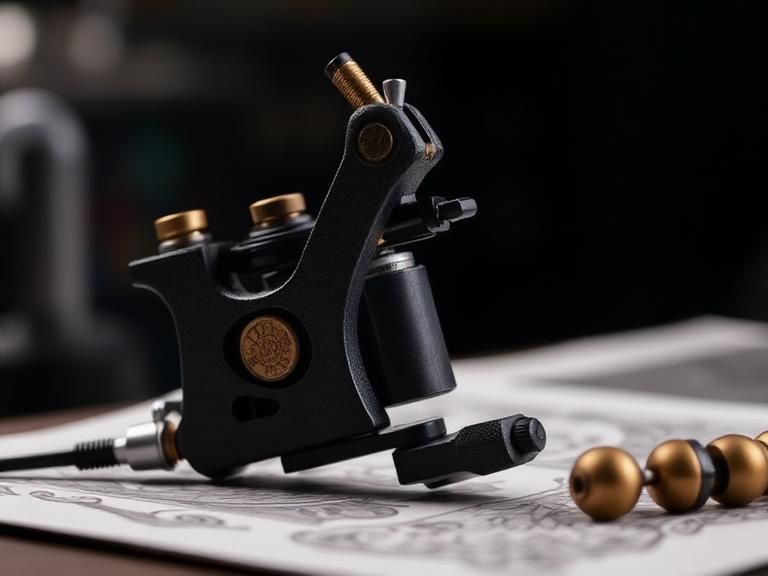
A "Full Set" or "Tattoo Kit" is a comprehensive bundle designed to provide an artist with everything required to execute a tattoo from start to finish. In 2026, a modern full set abandons the outdated analog power supplies and foot pedals. Instead, it revolves around a wireless rotary pen machine.
A legitimate full set will typically include the rotary machine, at least two high-capacity lithium-ion batteries, a charging hub, an assortment of sterilized membrane cartridge needles (liners, shaders, magnums), cohesive grip tape, practice skin, and basic sanitation barriers. Some comprehensive kits also include transfer paper and basic stencil application tools. If you are exploring tattoo machines for beginners, buying these components as a unified set ensures 100% compatibility between the machine's cam system and the needle cartridges.
How Pricing Works: The Factors That Drive Cost
Understanding the vast discrepancy in the Tattoo Machine Full Set price requires looking under the hood of the equipment. You are not just paying for the brand logo; you are paying for the internal mechanics.
Motor Technology: Cheap kits under $150 utilize brushed motors. These motors generate excess heat, vibrate heavily, and burn out quickly under continuous load. Professional machines costing upwards of $500 utilize custom coreless or brushless motors. These motors deliver immediate torque, pushing large magnum needle groupings into the skin without bogging down, even at low voltages.
Battery Architecture: In most professional situations, a wireless machine must hold a consistent voltage for at least 6 to 8 hours. High-end sets include dual batteries with digital LED screens displaying exact voltage increments (e.g., 0.1v adjustments) and hertz readouts. Cheap sets offer batteries that suffer from severe voltage sag after just two hours of use.
Stroke Versatility: The stroke length (the distance the needle travels out of the machine) dictates whether a machine is better for fine lining (4.0mm+) or soft shading (3.5mm). Premium full sets often feature adjustable stroke mechanisms on the fly, essentially giving you three machines in one. This complex engineering significantly raises the price point.
Quick Summary Table: Pricing Tiers
| Tier | Price Range (2026) | Machine Type | Target Audience | Expected Lifespan |
|---|---|---|---|---|
| Entry-Level / Cheap | $100 - $250 | Basic Rotary / Wired | Hobbyists, Casual Practice | 6 - 12 Months |
| Mid-Range / Prosumer | $300 - $700 | Coreless Wireless Pen | Apprentices, Studio Artists | 2 - 4 Years |
| Luxury / High-End Pro | $800 - $1,500+ | Brushless Wireless Pen | Elite Professionals | 5+ Years |
The Benefits of Buying a Full Set
The primary benefit of purchasing a full set is immediate operational readiness combined with cost efficiency. If you attempt to buy a high-end machine, separate battery packs, individual boxes of cartridge needles, and grip accessories piecemeal, you will frequently spend 20% to 30% more than you would on a bundled kit. Furthermore, full sets eliminate the frustrating trial-and-error of finding out that a specific brand of cartridge needles does not seat properly in your machine's grip.
Additionally, modern kits often bundle training resources. Buying from reputable brands means you are receiving sterilized, blister-packaged needles that meet global health standards, which is absolutely paramount for client safety.
Limitations and Hidden Costs
We must use commercial and practical judgment here: full sets have limitations, specifically at the lower end of the pricing spectrum. If you buy a $150 kit on a massive e-commerce platform, the included tattoo ink is almost universally unfit for human skin. It is strictly for practicing on synthetic silicone skins. Using unverified, cheap ink on humans risks severe allergic reactions and blowouts.
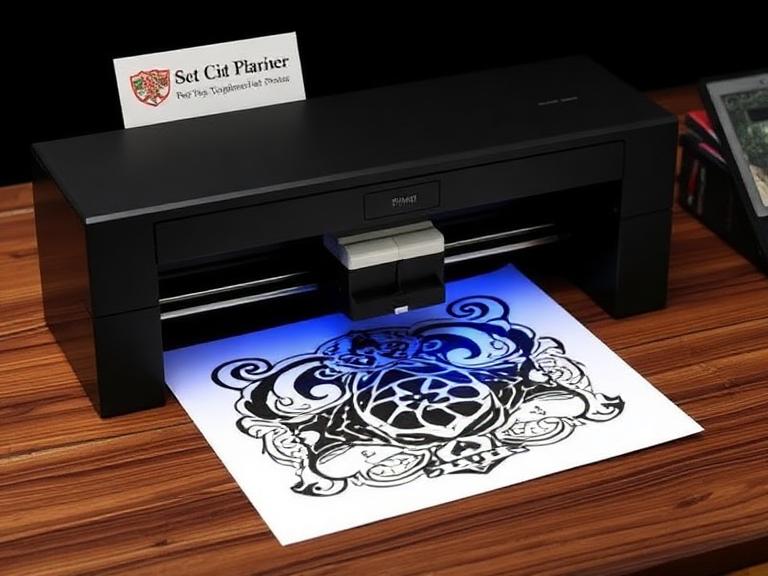
Another hidden cost is stencil preparation. A full machine set rarely includes a professional thermal printer. When you realize that hand-tracing complex stencils is taking hours out of your day, you will eventually ask, can a normal printer print tattoo stencils? The answer is no. You cannot use inkjet printers for standard spirit paper. You will immediately need to invest additional capital into a thermal tattoo printer.
Comparison Table: Starter Kits vs. Professional Sets
| Component | Basic Starter Kit ($150) | Professional Full Set ($800+) |
|---|---|---|
| Machine Build | Injection-molded plastic or cheap alloy. High vibration. | Aviation-grade CNC machined aluminum. Zero vibration. |
| Power Source | Wired RCA cord with basic analog dial power supply. | Dual digital wireless battery packs (interchangeable). |
| Needle Cartridges | Generic brand, often lacking safety membranes. | Premium membrane cartridges preventing cross-contamination. |
| Stroke Options | Fixed (usually 3.5mm), limiting versatility. | Adjustable on the fly (2.5mm to 4.2mm) or purpose-built 4.2mm liners. |
Who Should Use What (And Who Doesn't Need It)
For beginners and apprentices: We recommend starting directly in the Mid-Range tier ($300 - $700). Do not buy the absolute cheapest kit available. Unstable voltages and vibrating machines will teach you bad habits, causing you to chew up the skin rather than implanting ink smoothly. If you are serious about learning, reviewing the best tattoo machines 2025 lists will guide you toward machines that won't hold your progression back.
For heavy-duty applications and commercial users: Seasoned artists executing 8-hour realism sessions absolutely need high-end professional setups ($800+). However, veteran artists typically do not need to buy full kits. Because they already own grips, power supplies, and bulk needle stock, they are better off purchasing standalone machines (just the pen and batteries) rather than paying for bundled accessories they will never use.
Pros and Cons of Buying Full Kits
| Pros of Full Sets | Cons of Full Sets |
|---|---|
| Highly cost-effective compared to piecemeal purchasing. | Included ink in cheaper kits is dangerous for human use. |
| Ensures 100% compatibility between machine, battery, and needles. | Often bundles needle groupings you may not actually prefer or use. |
| Provides a rapid, stress-free entry point for new apprentices. | Does not typically include necessary autoclaves or thermal printers. |
| Mid-range sets offer exceptional value with dual batteries included. | Luxury sets carry massive brand markups that inflate the price. |
Common Mistakes Buyers Make
In our testing and industry observation, the most catastrophic mistake buyers make is ignoring hygiene standards. Buying a full set online that includes "free ink" and immediately tattooing a friend is negligent. Professional inks cost money for a reason—they are sterilized and pigment-dense.
Another massive mistake is ignoring stroke length during the purchase. If you want to specialize in thick, bold traditional lines, a machine with a 3.0mm stroke will fail you; it simply lacks the punch. You must seek out a machine with a 4.0mm to 4.2mm stroke to push heavy liner groupings effectively. Furthermore, many buyers forget about the stencil application process. They will attempt to find a regular printer for tattoo transfer paper, ruin their paper, and ultimately have to buy dedicated hardware anyway. Read a comprehensive tattoo transfer printer guide before finalizing your studio budget.
Crucial Buying Considerations
| Consideration Factor | What to Look For | Why It Matters |
|---|---|---|
| Wireless Capability | Dual batteries with at least 1500mAh capacity each. | A single battery will die mid-tattoo. Dual batteries ensure continuous workflow without reverting to RCA cords. |
| Stroke Length | 4.0mm or 4.2mm for lining; 3.5mm for shading. | The stroke determines how hard the needle hits. Wrong stroke equals blown-out lines or patchy shading. |
| Needle Cartridges | Safety membrane equipped. | Membranes prevent blood and ink from flowing back into the machine motor, maintaining absolute sterility. |
| Machine Weight | Between 150g and 220g. | Heavy machines cause rapid wrist fatigue and carpal tunnel over long sessions. |
Expert Recommendation from INKSOUL®
In most professional situations, the goal is to secure a machine that provides the aggressive reliability of a $1,000 setup without the punitive luxury brand markup. Whether you are upgrading from a beginner setup or outfitting a commercial studio, we recommend bypassing the extreme ends of the market and investing in a premium prosumer machine.

The HV6 PRO represents the absolute sweet spot in pricing and performance. The 4.2mm stroke length gives you the raw punching power required for traditional work, while the dual battery system ensures you never lose power during a session. Pair this machine with an advanced touch screen tattoo printer, and you have a complete, commercial-grade studio infrastructure ready to execute flawless tattoos.
Frequently Asked Questions (FAQ)
Based on current market data, a highly reliable, professional-grade wireless tattoo machine typically costs between $300 and $700. Luxury branded machines from legacy companies can cost upwards of $1,000, while basic starter kits can be found for under $200. We strongly recommend spending at least $300 to ensure coreless motor performance and long-term battery stability.
Generally, no. The ink bundled in sub-$150 budget kits sold on massive e-commerce platforms is almost exclusively formulated for practicing on synthetic silicone skins. Using unbranded, unsterilized ink on human skin carries a severe risk of infection, aggressive allergic reactions, and poor visual healing. You must purchase reputable, brand-name sterilized inks separately for human application.
Yes, if you wish to operate efficiently. Full machine sets cover the hardware needed to apply the ink, but they rarely include a thermal stencil printer. Hand-tracing complex stencils is incredibly time-consuming and prone to human error. Understanding how to use tattoo transfer paper in conjunction with a dedicated thermal printer is an essential skill for any commercial artist looking to optimize their daily workflow.
Authoritative References & Industry Standards
To ensure our pricing analysis and technical recommendations meet the highest industry standards, we reference data from the following established authorities:
- Certified Tattoo Academy: How Much Does Tattoo Equipment Cost in 2025? - Comprehensive breakdown of realistic equipment costs, sterilization requirements, and professional studio overhead.
- Painful Pleasures: The Best Tattoo Machines of 2026 - Industry insights evaluating the performance of top-tier wireless machines from brands like FK Irons, Critical, and Cheyenne.
- Tattooing 101: Industry Education and Equipment Standards - The premier online educational platform setting the standard for safe, hygienic tattooing practices and equipment vetting for apprentices.