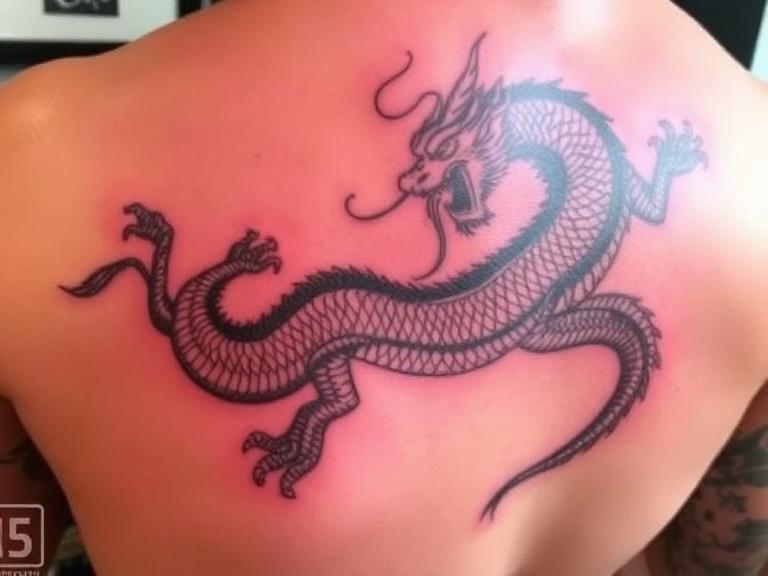

Let us confront a harsh reality in the tattooing industry right now: purchasing cheap, uncalibrated equipment off generic marketplaces is the fastest way to destroy your career before it even begins. Your machine is not just a tool; it is a direct extension of your hand, your artistic vision, and your professional reputation. If you are struggling to lay solid lines, or if your color packing is causing massive trauma to your client's skin, the problem is often sitting right in your palm. To succeed in this hyper-competitive field, you must know exactly how to choose a tattoo machine that aligns with your biomechanics and artistic style.

From our experience supplying the world's most demanding artists, we see beginners and veterans alike making the exact same procurement mistakes. They buy based on aesthetic appeal or paid influencer hype rather than mechanical truth. The moment you decide to choose a tattoo machine, you are committing to a specific stroke length, a specific motor type, and a specific workflow ecosystem. There is no magical "do-it-all" machine that executes flawless single-needle realism and blasts traditional bold lines with equal perfection. You have to make calculated decisions.
At INKSOUL, we refuse to endorse subpar equipment. We believe in providing uncompromising quality and clinical precision. In this aggressively practical guide, we will dismantle the marketing noise and provide you with 9 definitive tips to choose a tattoo machine in 2026. Whether you are an apprentice assembling your first setup or a master artist overhauling your daily driver, this is the only mechanical blueprint you will need.
Table of Contents
- 1. Understand the Holy Trinity: Coil vs. Rotary vs. Pen
- 2. Stroke Length is Absolutely Non-Negotiable
- 3. Evaluate the Weight and Ergonomics
- 4. Voltage and Wireless Power Supply Compatibility
- 5. Needle Cartridge vs. Standard Needle Compatibility
- 6. Grip Adjustability and Autoclave Safety
- 7. Factor in the Machine's Give (Hit Hardness)
- 8. Evaluate Brand Reliability and Maintenance
- 9. Align the Machine with Your Artistic Specialization
- The INKSOUL Ecosystem Advantage
- Summary Table: Machine Matrix
- Frequently Asked Questions (FAQs)
- Industry References
1. Understand the Holy Trinity: Coil vs. Rotary vs. Pen
Before you even look at price tags, you must understand the core mechanical differences governing the industry. When you choose a tattoo machine, you are generally selecting between three architectures: the traditional coil, the standard rotary, and the modern pen-style rotary.
Coil machines use electromagnetic circuits to move the armature bar up and down. They are loud, heavy, and punchy. From our experience, traditional artists swear by coils for pulling fat, single-pass lines. However, they require constant tuning, spring replacements, and a deep understanding of mechanical physics to operate correctly. Rotary machines use an electric motor to drive a cam wheel, creating a smooth, consistent needle motion. They are vastly lighter and quieter. The pen-style rotary has completely dominated the market in recent years. It looks and feels like a thick marker, housing the rotary motor in a vertical, ergonomic cylinder. If you are browsing tattoo machines for beginners, we strongly recommend starting with a pen rotary due to its virtually non-existent learning curve regarding tuning.
2. Stroke Length is Absolutely Non-Negotiable
We cannot stress this enough: stroke length dictates exactly what your machine can and cannot do. The stroke is the physical distance the needle travels from its highest point to its lowest point. If you choose a tattoo machine with the wrong stroke, you will fight the skin on every single session.
A short stroke (1.8mm to 2.5mm) hits softly and is excellent for smooth black and grey shading or delicate stippling. A medium stroke (3.0mm to 3.5mm) is considered the universal standard. It offers enough punch for moderate lining and enough softness for color packing. A long stroke (4.0mm to 5.0mm) is a jackhammer. It hits hard and fast, making it the mandatory choice for pushing thick grouping liners or packing dense, saturated color in one pass. When you choose a tattoo machine, you must align the stroke with your daily workload. Many modern top-tier pens now offer adjustable strokes on the fly, which is a massive advantage.
3. Evaluate the Weight and Ergonomics
Tattooing is brutally demanding on the human body. Carpal tunnel syndrome, tendinitis, and severe cervical spine issues end careers prematurely. Therefore, when you choose a tattoo machine, ergonomics are just as important as motor power. A heavy brass coil machine might weigh over 250 grams, putting massive asymmetrical strain on your wrist over a six-hour session.
Modern aerospace-grade aluminum pen machines often weigh under 150 grams. However, it is not just about raw weight; it is about the center of gravity. A machine that is excessively top-heavy will constantly try to tip backward out of your hand, forcing you to grip the machine tighter, which leads to rapid hand fatigue. We recommend testing how the machine balances in your specific grip before committing.
4. Voltage and Wireless Power Supply Compatibility
The days of tripping over RCA cords and fighting tangled clip cords are rapidly ending. The industry has shifted aggressively toward wireless battery packs. When you choose a tattoo machine, you must evaluate its power ecosystem. If you opt for a wireless pen, look strictly at the battery capacity (measured in mAh) and the voltage increment control.
You need a machine that offers precise 0.1v increments. Different skin types and different needle groupings require micro-adjustments in voltage to find the "sweet spot" where the needle glides without snagging or slicing. Furthermore, ensure the machine utilizes universal RCA connections if the integrated battery dies, allowing you to seamlessly switch to a standard wired power supply mid-tattoo. You can review some of the most reliable power systems among the best tattoo machines 2025.
5. Needle Cartridge vs. Standard Needle Compatibility
The mechanism by which you load your needles fundamentally alters your setup and teardown times. Traditional coil and standard rotary machines utilize long bar needles and separate tube grips. This requires meticulous setup and sterilization. Pen machines exclusively use membrane needle cartridges. Cartridges allow you to swap from a 3RL liner to a 15M mag in two seconds with a simple twist.
From our experience, cartridge systems are significantly safer regarding cross-contamination, provided you use high-quality cartridges with an intact safety membrane that prevents ink from back-flowing into the motor. If you are confused about system compatibility, we highly advise reading our technical guide to determine if do all needles fit tattoo machines. Spoiler alert: they do not. Choose a tattoo machine that supports universal, widely available cartridge brands to avoid supply chain lock-in.
6. Grip Adjustability and Autoclave Safety
Hygiene is the absolute baseline of professional tattooing. You must be able to properly barrier-film, bag, and sterilize your equipment. When you choose a tattoo machine, especially a pen style, investigate the grip mechanics. Does the grip twist smoothly to adjust needle depth (protrusion)? Is the click-mechanism robust enough that the vibration of the motor won't cause the needle depth to slowly change while you are pulling a long line?
More importantly, is the grip removable and fully autoclavable? Wiping down a machine with medical-grade surface disinfectant is standard, but the grip itself—which sits dangerously close to the biohazard zone—should ideally be sterilized in an autoclave or covered with disposable, single-use grips. Never compromise on bloodborne pathogen safety when selecting your hardware.
7. Factor in the Machine's Give (Hit Hardness)
"Give" refers to how much the needle bounces back when it hits the resistance of the skin. A machine with zero give (a direct drive rotary) hits exactly as hard as the motor spins. It is unforgiving; if you push too deep, you will cause a blowout. A machine with soft give (like a tuned coil or a specialized rotary) absorbs some of that impact, making it gentler on the skin and easier for shading.
When you choose a tattoo machine, determine your required give. Realism artists often prefer machines with adjustable give mechanisms to create incredibly smooth, trauma-free gradients. Bold traditional artists usually prefer the unrelenting punch of a direct drive. Do not buy a direct drive if you do not have the hand control to prevent overworking the dermis.
8. Evaluate Brand Reliability and Maintenance
A tattoo machine contains rapidly moving mechanical parts that will eventually wear out. If you buy a nameless, unbranded machine from an overseas marketplace, you will have zero recourse when the motor burns out in three months. We fiercely advocate purchasing from the top tattoo machine brands that offer comprehensive warranties, responsive customer service, and readily available replacement parts.
Premium manufacturers use Swiss-made Maxon or Faulhaber coreless motors, which are engineered to run for thousands of hours without overheating. When you choose a tattoo machine, you are investing in a business asset. Spend the capital upfront on a reliable motor rather than replacing cheap machines three times a year.
9. Align the Machine with Your Artistic Specialization
The final, overarching rule: your style dictates your machine. You cannot choose a tattoo machine based on what a famous artist uses if your styles are completely different. If your portfolio is 100% fine-line, single-needle floral work, buying a heavy, 4.0mm stroke coil machine makes absolutely no sense. You need a lightweight, 2.5mm or 3.0mm stroke pen that feels like a pencil.
Conversely, if you specialize in heavy Japanese traditional or dense neo-traditional color packing, a delicate short-stroke pen will force you to pass over the same skin multiple times, causing severe tissue damage. Assess your portfolio critically, and purchase the specific professional tattoo machines engineered to execute your exact style flawlessly.
The INKSOUL Ecosystem Advantage

INKSOUL Tattoo Supply is your uncompromising, complete tattoo solution. We do not just sell machines; we engineer the entire workflow. From premium tattoo needles and precision-calibrated pens to advanced stencil printers, high-grade stencil paper, and optimal studio lighting, our inventory is crafted specifically for professional artists and dedicated enthusiasts. By sourcing your entire setup through INKSOUL's one-stop inventory approach, you guarantee seamless compatibility across all your hardware and consumables, eliminating the frustrating guesswork of cross-brand integration. We provide the tools; you provide the vision.
Summary Table: Machine Matrix
To assist in your immediate procurement strategy, we have synthesized the critical variables required to choose a tattoo machine effectively.
| Machine Type | Ideal Stroke Range | Primary Application | Maintenance Level |
|---|---|---|---|
| Traditional Coil | Variable (Tuned) | Bold Linework, Color Packing | High (Springs, Tuning, Contact points) |
| Standard Rotary | 3.5mm - 4.0mm | All-Rounder, Color, Shading | Low (Lubrication) |
| Pen-Style Rotary | 2.5mm - 4.0mm (Adjustable) | Fine-line, Realism, Daily Driver | Very Low (Sealed Motor) |
| Direct Drive Rotary | 4.0mm+ | Heavy Color Saturation, Fat Lines | Low (Cam maintenance) |
Frequently Asked Questions (FAQs)
1. Can I use the same machine for lining and shading?
From our experience, yes, provided you choose a tattoo machine with a versatile stroke length, typically 3.5mm. This is considered the industry standard for a "do-it-all" machine. However, master artists often prefer utilizing two dedicated machines: a hard-hitting 4.0mm machine specifically for lining, and a softer 3.0mm machine strictly for smooth shading.
2. Is it better to start with a coil or a rotary machine?
We recommend beginners start with a pen-style rotary machine. Coil machines require a deep understanding of tuning, spring tension, and electromagnetic physics. A beginner should focus entirely on sanitation, needle depth, hand speed, and artistic technique, rather than fighting the mechanical complexities of a misaligned coil machine.
3. Why are premium tattoo machines so expensive?
You are paying for the motor and the machining tolerances. Premium machines utilize Swiss or German-made medical-grade motors that provide consistent torque without overheating during a ten-hour session. Furthermore, the aircraft-grade aluminum housings are CNC-machined to exact tolerances, ensuring the needle cartridge aligns perfectly with zero lateral wobble, which is critical for pulling flawless, straight lines.
Industry References
To ensure your mechanical decisions are backed by safety and professional standards, we strongly advise reviewing the following resources:
- The Alliance of Professional Tattooists (APT) - Providing authoritative guidelines on bloodborne pathogens, equipment sterilization, and cross-contamination prevention in professional environments.
- Occupational Safety and Health Administration (OSHA) Bloodborne Pathogens Standard - The definitive legal and medical framework governing safe practices, equipment handling, and barrier protection in the body art industry.